
Insulation Company in Corona, CA
Blown in insulation is the most common fix we install in Corona, and for good reason. Most homes here were built between the 1980s and early 2000s with builder-grade R-11 to R-19 attic batts that have settled, compressed, or never really matched what a Corona summer demands. Between July highs that cook attics well past 140 degrees, Santa Ana wind events that drive heat deep into west-facing roof cavities, and winter nights cold enough to make under-insulated ceilings obvious, the typical Corona home needs more than a quick top-up. It needs a material matched to its specific elevation, exposure, and framing. Call us at (866) 858-4033 for a free attic assessment.
Why Corona Homes Are Different
Corona sits where three thermal zones collide. The flat Inland Empire floor produces brutal summer heat, the pass near the Santa Ana winds funnels hot, dry air across the 92879 and 92880 grids, and the foothill edges climbing toward the Cleveland National Forest see real winter chill. That spread means a single R-value recommendation is worthless here. A tract house on a flat 92879 lot with west-facing roof planes bakes differently than a Temescal Valley home in 92883 sitting a few hundred feet higher with evening drainage winds. We spec per home, not per zip code.
The housing stock compounds the issue. Corona’s dominant era is 1980s to 2000s production tract construction, heavy on cathedral and vaulted ceilings that leave thin, awkward cavities behind drywall. Many of those homes still carry their original fiberglass, now matted and dust-choked. Newer master-planned communities in 92880 and 92883 want performance without sacrificing ceiling height. Older mid-century pockets near the historic downtown core have their own framing quirks: shallow attics, minimal overhangs, and retrofitted additions that interrupt airflow. We’ve worked all of it.
Santa Ana events are the variable most homeowners underestimate. Ambient temperatures rise, but attic temperatures spike far higher when those winds sit over a roof for two or three days. We regularly measure west-facing attics in the 92881 and 92882 tracts 30 to 40 degrees above the outside air during those stretches. Loose-fill fiberglass settles and loses loft under exactly those conditions. That’s why our default Corona recommendation leans toward materials that resist settling and hold their rated R-value under sustained heat, not just on day one.
The east foothill parcels add another layer. Homes climbing the Temescal Valley grades in 92883, including some built on former mine-affected ground, need more attention to vapor and air sealing than the flatland builder playbook ever accounted for. Moisture moves differently on sloped, shaded lots, and a standard blown-in job without proper air sealing just masks the problem. We treat those jobs differently because they are different.
Our Main Corona Services
Most Corona homeowners call us about two things: re-insulating attics that are underperforming in summer heat, and using spray foam where air leakage is the real culprit. Here’s what each involves locally.
Attic Insulation in Corona
Attic work in Corona is our highest-volume service, and for most homes built in the 1980s through early 2000s, it’s the single biggest energy upgrade available. We remove or top up the original builder-grade batts, air-seal the ceiling plane, and install the right material for the home’s exposure and framing. Vaulted ceilings, knee walls, and shallow older attics all get different treatment. Santa Ana wind events punish under-insulated west-facing attics in the 92881 and 92882 tracts especially hard, so we spec for the worst week of the Cor year, not the average. Full details on Attic Insulation in Corona.
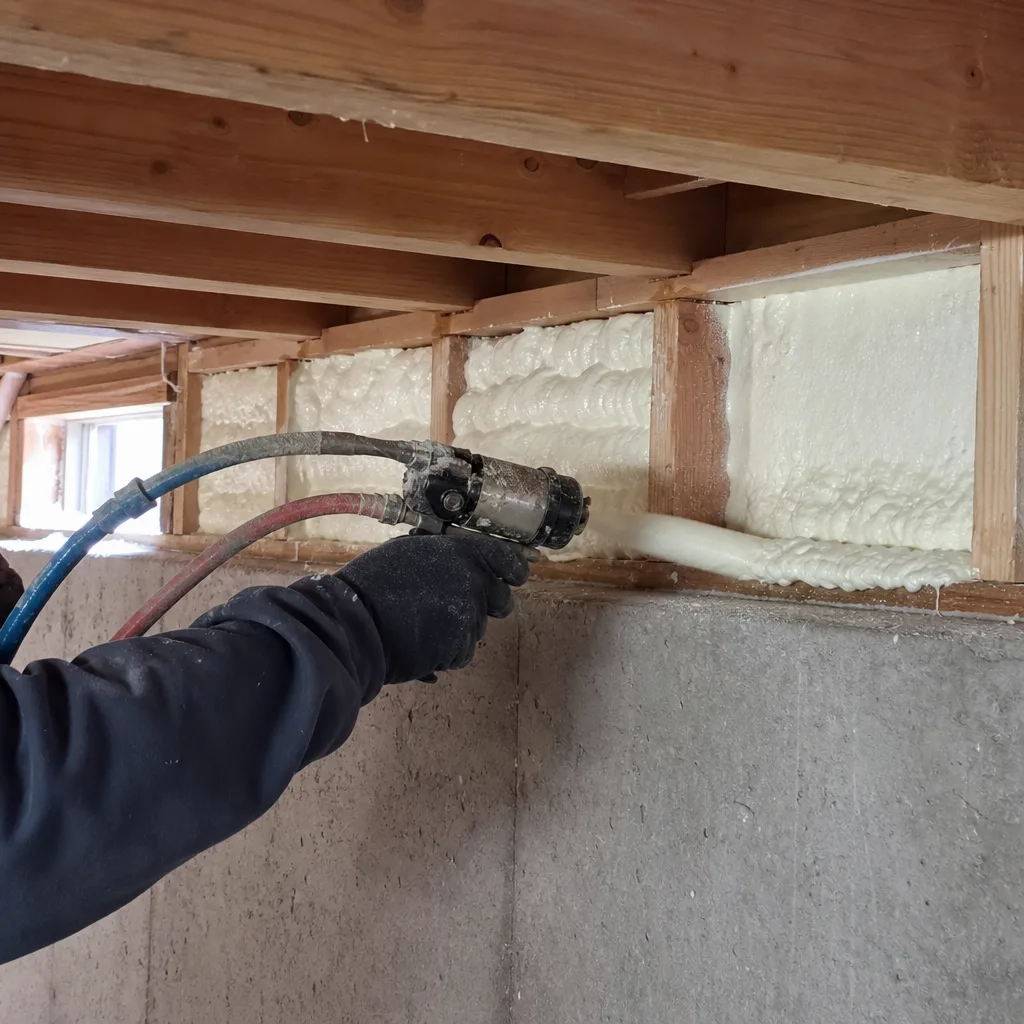
Spray Foam Insulation in Corona
Spray foam earns its place in Corona when air sealing is the primary problem, not just R-value. Older Corona homes leak air through ceiling penetrations, can lights, and wall top plates, and no amount of loose-fill on top fixes that. Closed-cell foam adds structural rigidity and moisture control, which matters on hillside lots in 92883 where humidity and drainage patterns differ from the flatland grid. Open-cell foam works well in vaulted cavities where space is tight. Both stop the convective heat transfer that makes upstairs rooms so miserable in summer. See Spray Foam Insulation in Corona for the full breakdown.
What happens when you call
- 1
A real person answersNo phone trees — you reach a local pro.
- 2
You get an upfront price rangeHonest numbers before anyone is dispatched.
- 3
A background-checked tech heads outLicensed & insured, dispatched right away.
- 4
You approve before work beginsNothing starts until you say go.
Blown In Insulation in Corona
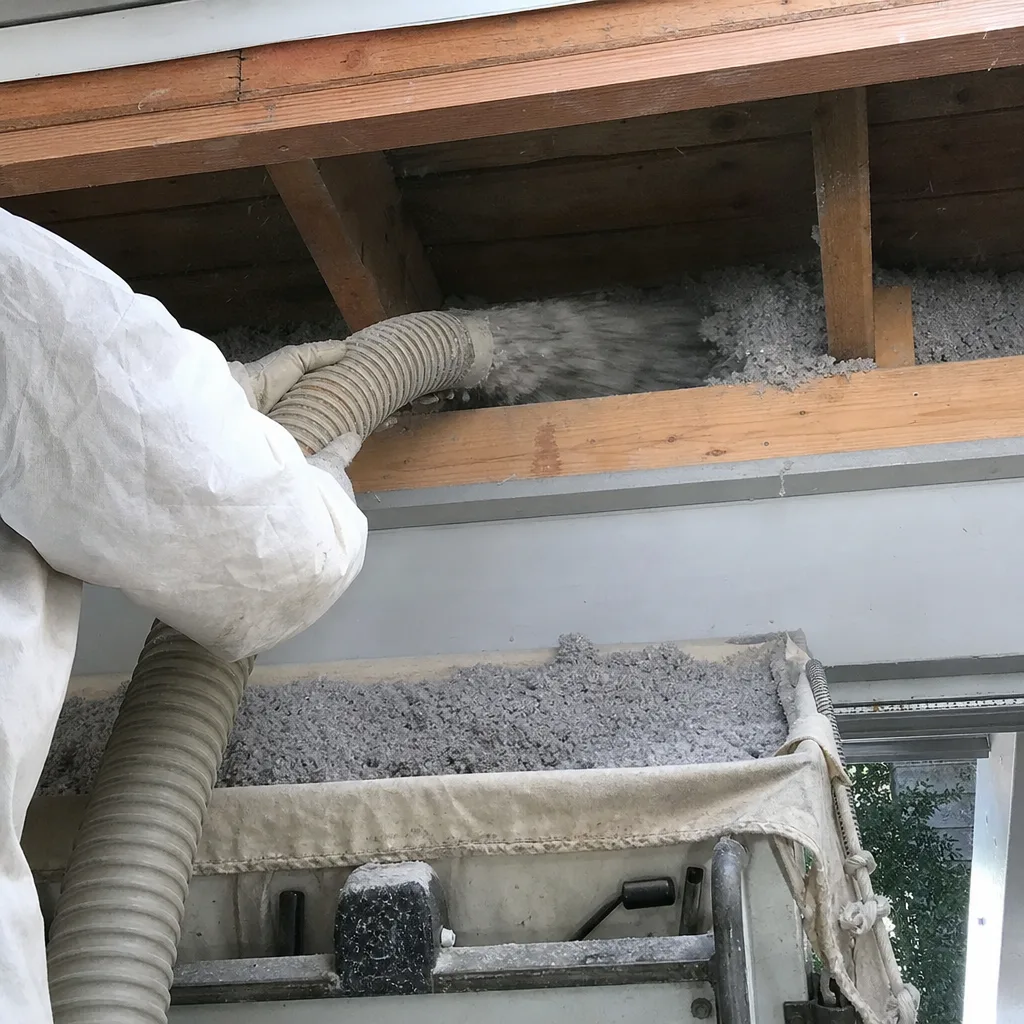
Blown in insulation is the workhorse of Corona attic retrofits, and the material choice matters more here than in coastal cities. The combination of extreme summer attic temperatures, Santa Ana-driven heat spikes, and older production framing means loose-fill fiberglass and cellulose behave differently than their manufacturer ratings assume under perfect lab conditions. Cellulose, especially GreenFiber’s recycled product, holds its loft better through heat cycles and resists the settling we see in west-facing Corona attics during sustained wind events. Air sealing comes first, then the fill, then the verification. That’s the order that fixes a Corona attic properly. For the full service breakdown, see Blown In Insulation.
Cellulose Insulation
Signs you need it
The existing attic insulation is matted, dusty fiberglass batts sitting below the top of the ceiling joists, or the upstairs rooms swing 10-plus degrees from the thermostat setting in summer and winter.
What it costs in Corona
Cellulose attic installation in Corona typically runs from $1.20 to $2.30 per square foot depending on depth, access, and whether old material must be removed first.
How we do it
We air-seal the ceiling plane with foam and caulk around every penetration, then blow loose-fill cellulose to the specified depth using GreenFiber recycled material, checking density and coverage with a depth marker and thermal camera before leaving.
Blown In Attic Insulation
Signs you need it
Rooms directly under the attic are the only ones that overheat in a Corona summer, or the air conditioner cycles constantly in the afternoon while bedrooms on the west side stay hot.
What it costs in Corona
Blown-in attic insulation in Corona runs between $0.90 and $2.10 per square foot for most homes, with the lower end for an open flat attic and the higher end for tight access or old material removal.
How we do it
We seal and protect baffles at the eaves for ventilation, set depth markers to the R-value we calculated, blow fiberglass or cellulose evenly to grade, and verify coverage with a calibrated thermal image.
Blown In Cellulose Insulation
Signs you need it
Existing attic insulation is thin enough to see joist tops from the hatch, or the home was built when R-19 was considered adequate and the owners now run the AC for nine months a year in Corona’s inland heat.
What it costs in Corona
Cellulose-specific jobs in Corona generally land between $1.40 and $2.80 per square foot, with the upper range reflecting vaulted or tight attics and demolition of compressed old batts.
How we do it
We evaluate the existing material, remove or encapsulate as needed, air-seal every penetration including can lights and wall top plates, then blow GreenFiber cellulose to target depth and leave the hatch sealed and weatherstripped.
Blown In Fiberglass Insulation
Signs you need it
Attic batts are torn, rodent-damaged, or water-stained, and full removal is needed before a clean, consistent loose-fill layer can go down across the ceiling plane.
What it costs in Corona
Blown-in fiberglass in Corona runs $1.10 to $2.40 per square foot, with removal of old material and air sealing adding to the total.
How we do it
We remove old batts and debris with a commercial vacuum system, seal all penetrations, install vent baffles, and blow fiberglass to the calculated depth, confirming final R-value with density and depth readings in multiple spots.
Loose Fill Insulation
Signs you need it
Attic insulation is uneven, with bare spots near the eaves and thick drifts in the center, or the thermal camera shows cold stripes in winter and hot stripes in summer across the ceiling.
What it costs in Corona
Loose-fill insulation in Corona attics averages $0.90 to $2.00 per square foot, including air sealing and cleanup on straightforward open-attic jobs.
How we do it
We lay out depth markers, blow loose fill in uniform passes across the entire attic floor, then hand-dress the edges and around obstructions so the ceiling plane has consistent coverage from eave to eave.
What Blown In Insulation Costs in Corona
| Item | Typical range in Corona |
|---|---|
| Blown in attic insulation (labor + material) | $0.90 – $2.10 per sq ft |
| Cellulose insulation (GreenFiber recycled) | $1.20 – $2.80 per sq ft |
| Blown in fiberglass insulation | $1.10 – $2.40 per sq ft |
Does blown in insulation need old insulation removed in Corona?
If existing insulation is water-damaged, rodent-soiled, or compressed below the joists, removal gives the cleanest result. On many Corona homes, we can blow new material directly over settled batts after air sealing, saving you the demo cost. Call (866) 858-4033 and we’ll tell you which applies to your attic.
Is blown in insulation enough for a Corona summer?
Only if the attic is air-sealed first and the material is installed to the right R-value for your home’s exposure. Blown-in done right holds its loft through Santa Ana heat spikes, especially cellulose. We can measure your current attic and tell you exactly what’s needed.
Brands We Service in Corona
We install and service insulation from Owens Corning, Johns Manville, Demilec, and GreenFiber across Corona. Our trucks carry the most common loose-fill, batt, and foam materials, so most jobs don’t wait on a supplier order. If your attic has a specific product you want matched or replaced, call us and we can usually source it within a day or two through our brands.
Pricing for Insulation Company in Corona, CA
| Service | Typical range in Corona |
|---|---|
| Blown in attic insulation | $0.90 – $2.10 per sq ft |
| Cellulose insulation | $1.20 – $2.80 per sq ft |
| Blown in fiberglass insulation | $1.10 – $2.40 per sq ft |
| Loose fill insulation | $0.90 – $2.00 per sq ft |
| Attic air sealing (before blown-in) | $0.50 – $1.10 per sq ft |
| Old insulation removal | $0.60 – $1.60 per sq ft |
What pushes the number up in Corona is old-material removal, tight or vaulted attic access, and the extent of air sealing needed on older production homes. The figure we quote you is the figure on the invoice: up-front pricing, no surprises after the work starts.
Neighborhoods We Serve in Corona
Our crews work throughout Corona’s residential zones, from the flatland grid below the 91 and through the foothill communities to the south. Each area gets elevation and exposure-matched specs, but the service routine is the same: we show up on schedule, protect the house, and leave the attic better than we found it. We typically schedule Corona jobs within three to five business days, with emergency same-week slots available during heat waves.
- Historic downtown Corona and the surrounding mid-century neighborhoods
- The 1980s-2000s tract communities across the 92879 and 92880 grids
- West-side neighborhoods in 92881 and 92882 with heavy Santa Ana exposure
- Temescal Valley and foothill communities in 92883
- Newer master-planned developments edging toward 92880 and the eastern boundary
Service Area – Cities Near Corona
Brea Insulation works across the Inland Empire corridor from our home base in Brea. We take jobs in Home Gardens, CA and El Cerrito Corona, CA right alongside our Corona scheduling, plus the neighboring cities of Eastvale, CA and Norco, CA to the north and west. If you’re within a short drive of Corona, we can assess your attic and install within the same week in most cases.
Serving Corona, CA — Our Local Coverage Area
We’re based in the Corona area and know this community well. Use the map below to see our service coverage — if you’re nearby, we can almost certainly help.
FAQs About Insulation Company in Corona
Most Corona attics are assessed within two to four business days of your call, and installation follows within the same week or the next depending on the material. During heat waves we hold same-week slots open for houses with failing insulation. Call (866) 858-4033 to get on the schedule.
In nearly all Corona single-family homes, insulation is a straightforward retrofit with no permit required for attic or wall cavity work. HOA communities in newer master-planned areas sometimes have material color or roof-access rules we should know about before the job. Tell us your community when you call, and we’ll check.
We measure the attic, inspect what’s there, check ventilation and air leaks, and then give you a written quote for the specific R-value and material your home needs. The estimate is free, and the price we quote is the price you pay, with no change orders on a standard attic job.
For a free attic assessment in Corona and an honest read on what your home needs, call Brea Insulation at (866) 858-4033. We carry eight brands and install all three methods because the right answer depends on your house, not our inventory.
What happens when you call
- 1A real person answersNo phone trees — talk to a local insulation pro.
- 2You get an upfront price rangeHonest numbers before anyone is dispatched. No surprises.
- 3A background-checked tech heads outLicensed & insured, typically within 60-minute.
- 4You approve before work beginsNothing starts until you say go.
What Corona Customers Say
"Told me the crawlspace didn't need doing and only the attic did. Half the job, half the money."
— Kelly Reed"Handled the utility rebate paperwork, which knocked a real amount off the final cost."
— Diego Garcia"Found and sealed a gap around the chimney chase that was basically an open chimney to the attic."
— Darius Grant