Fast, Reliable Attic Insulation Across West Puente Valley
Attic insulation in West Puente Valley isn’t about surviving winter. It’s about keeping 140°F+ attic heat from bleeding into your living room every afternoon from June through October. Most homes along the 91746 corridor were built in the 1950s and 60s with thin original batts that have compressed, settled, or been torn up by rodents over six decades. If your back bedrooms run ten degrees hotter than the front of the house, that’s not normal. That’s a failed thermal barrier. Call Brea Insulation at (866) 858-4033 and we’ll diagnose it, clean it if needed, and rebuild the insulation envelope so the heat stays in the attic where it belongs.
We work in West Puente Valley weekly. Our crews know the stucco tract layouts off Valley Boulevard and Amar Road, the low-pitch roofs that make attic access tight, and the slab-on-grade construction that puts a premium on ceiling insulation over anything else. This isn’t a beach-city cool-down job. It’s inland San Gabriel Valley heat defense, and it takes a different approach.
Why Brea Insulation Is West Puente Valley’s Preferred Attic Insulation Company
Phil Darnell built Brea Insulation around one idea: insulation is all we do, and that specialization shows in every install. We’re not a handyman service adding insulation as a line item on a bid sheet. We’re a dedicated attic insulation contractor carrying eight manufacturer lines: Owens Corning, Johns Manville, Knauf, Rockwool, CertainTeed, Icynene, Demilec, and GreenFiber. That bench lets us match the material to the home’s actual problem rather than pushing whatever product is cheapest to stock. In West Puente Valley, where the dominant issue is radiant heat gain through uninsulated voids, that matters.
Our Attic Insulation team has spent hundreds of hours in San Gabriel Valley attics. We know what a 1961 original batt looks like after sixty summers of baking. We know where the voids are hiding in these post-war floor plans. And we know that most of these homes don’t need a simple top-up. They need void-filling, air sealing, and in a lot of cases, cleanup before anything new goes in.
Reviews from West Puente Valley customers consistently point to the same things: we show up when we say we will, we explain what we found in plain English, and we don’t sell insulation the attic doesn’t need. When you call (866) 858-4033, you’re talking to a company that treats West Puente Valley as home turf, not a satellite market.
Attic Cleaning Services in West Puente Valley
Attic Cleaning Services in West Puente Valley are frequently a prerequisite for any new insulation work, because six decades of rodent activity, blown dust, and degraded batts leave attics too compromised to accept a fresh layer. The cleaning process here involves removing old, soiled, or torn insulation, vacuuming the bays and decking, sanitizing affected areas, and prepping the attic for air sealing and new material. In West Puente Valley, where original batts often carry nesting debris and droppings from roof rats that move through the San Gabriel Valley, this step isn’t optional when contamination is present. Expect attic cleaning to run roughly $1,200 to $3,200 depending on attic size, access difficulty, and how much material has to be bagged and removed. Low-pitch roofs make this work slower, which affects labor cost.
Full Debris and Old Insulation Removal
We pull out everything that shouldn’t be there: compressed fiberglass, torn kraft paper facing, rodent nests, old storage junk, and the fine dust that builds up over half a century. On 91746 tract homes, it’s common to find the original batts have disintegrated so badly they’re more dust than insulation. Removal gives us a clean deck to work from and lets us actually see what’s going on at the top plates and penetrations.
Sanitizing and Air Seal Prep
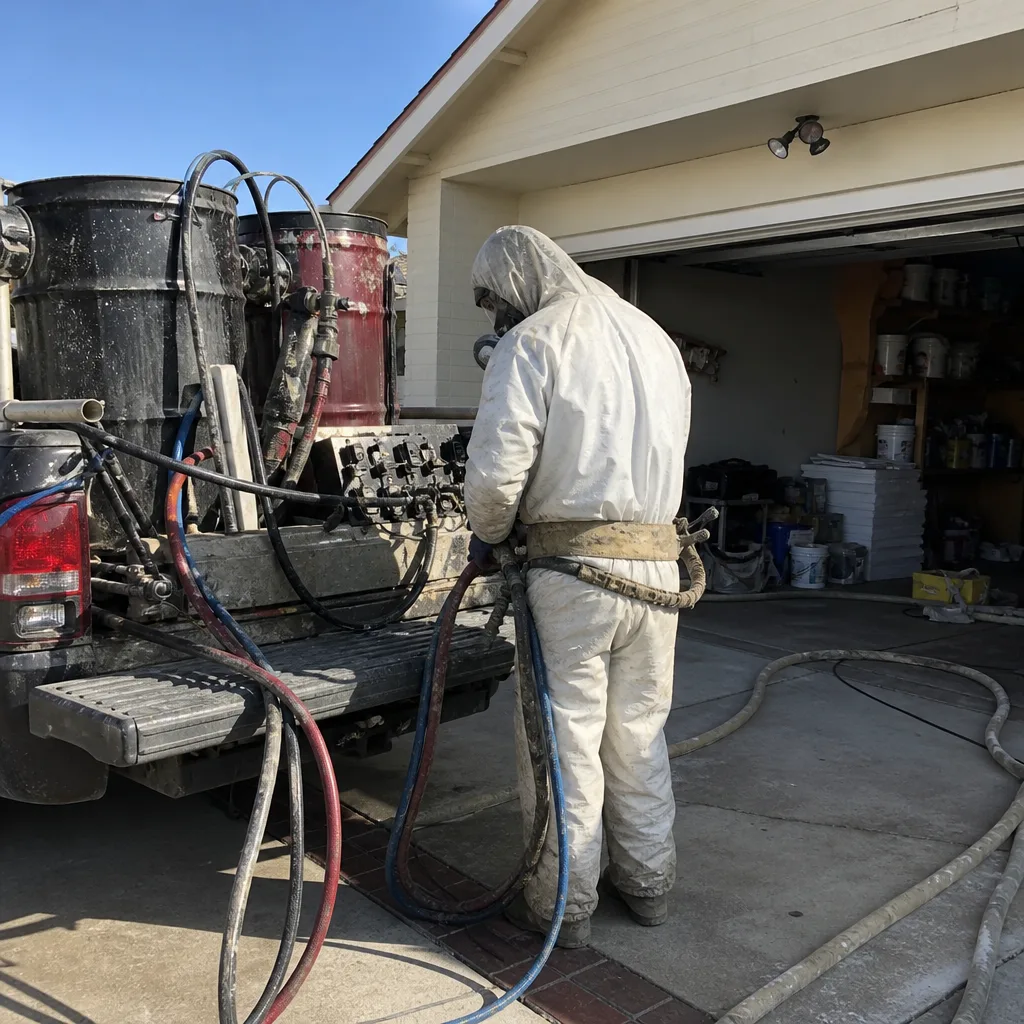
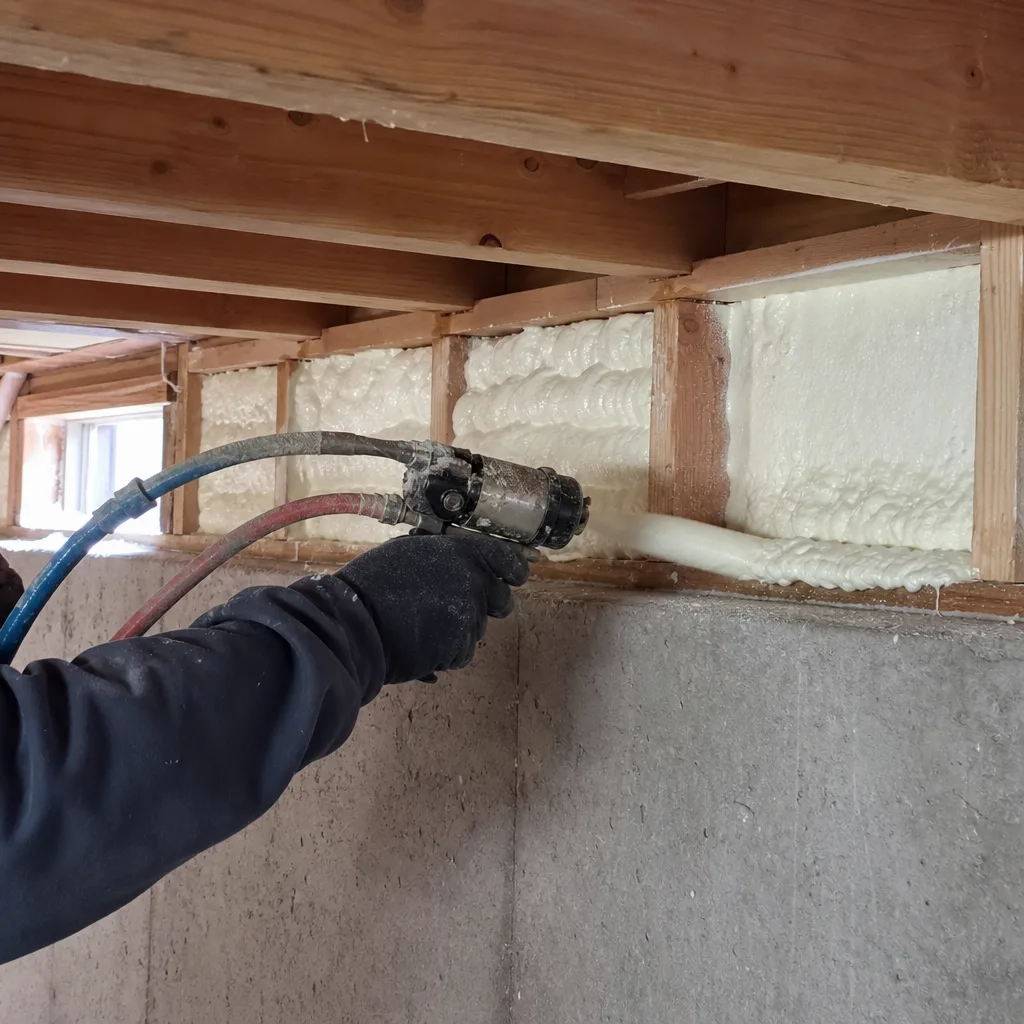
After removal, we sanitize surfaces that show biological contamination and then look for air leaks: top plates, can light housings, plumbing chases, and the gap where the garage ceiling meets the living space wall. In slab-on-grade homes, this is where the real thermal losses happen. Sealing before insulating is what turns a mediocre retrofit into one that actually changes room temperatures.
What happens when you call
- 1
A real person answersNo phone trees — you reach a local pro.
- 2
You get an upfront price rangeHonest numbers before anyone is dispatched.
- 3
A background-checked tech heads outLicensed & insured, dispatched right away.
- 4
You approve before work beginsNothing starts until you say go.
Attic Mold Removal in West Puente Valley
Attic Mold Removal in West Puente Valley is something we handle before any new insulation goes in, because burying active mold under fresh material just locks moisture and spores into the assembly. The interior San Gabriel Valley climate is dry most of the year, but older 91746 homes with poor attic ventilation or bathroom fans venting into the attic rather than through the roof create enough trapped humidity for mold to take hold on rafters and decking. When we find it, the job involves killing and removing the affected surface material, treating the wood, addressing the moisture source, and confirming the attic is dry before insulation resumes. Mold remediation in these attics typically runs $1,500 to $4,500 depending on the square footage of affected decking and whether ventilation upgrades are required.
Moisture Source Diagnosis
Mold doesn’t appear randomly. In West Puente Valley attics, the usual culprits are bath fans terminating in the attic, gable vents painted shut or walled over, and occasional roof flashing failures at the low-pitch transitions. We find the source first, because removing surface mold without fixing the moisture input means you’ll be doing the same job again in two years.
Wood Treatment and Dry-Out
Once the source is corrected, we treat affected framing and decking, dry the space to a stable moisture level, and prep for whatever insulation system fits the home. In some 91746 tract houses, that means installing baffles and upgrading ridge or eave ventilation before new material goes in. The attic has to breathe, otherwise the new insulation inherits the same problems the old stuff had.
Trusted Brands We Service in West Puente Valley
We stock and install across eight manufacturer lines so the recommendation matches the house. For West Puente Valley’s older tract attics, that often means GreenFiber blown-in cellulose for void-filling and top-up work, CertainTeed fiberglass for straightforward batt replacement where access is workable, and Icynene or Demilec spray foam when the job calls for air sealing plus insulation in tight low-pitch cavities. We carry these brands partly because they cover different performance needs, and partly because a 1961 stucco ranch with flat-ish roof framing has very different requirements than a newer two-story. When you call, we’re not trying to fit your attic into one product. We’re matching product to attic.
Common Attic Insulation Problems We See in West Puente Valley Homes
- Compressed original batts that have lost their R-value. Sixty years of settling and foot traffic crushes fiberglass to a fraction of its rated thickness. During Santa Ana heat spikes, that means the ceiling is the only real barrier between living space and a 140°F attic. The rated R-value on paper means nothing when the material is half an inch thick and full of dust.
- Garage-ceiling and knee-wall voids that were never insulated at all. Builders in the post-war tract boom didn’t always insulate these transitions. We find them bare on a regular basis in 91746 homes, which means the garage ceiling and the knee walls over adjacent rooms were never thermal barriers to begin with. This is the single biggest opportunity in these houses.
- Rodent-soiled or torn batts left in place under low-pitch roofs. Roof rats are a San Gabriel Valley reality, and they love old fiberglass. Soiled insulation doesn’t just smell; it loses all thermal performance and makes any new layer pointless until it’s removed. We see this constantly in homes off Valley Boulevard and Amar Road.
- Bathroom exhaust fans venting into the attic. The original builders often terminated bath fans in the attic rather than through the roof. Decades of humid air against underside decking is a mold starter, especially in enclosed low-pitch spaces with poor airflow. This has to be corrected before any insulation upgrade makes sense.
Pricing for Attic Insulation in West Puente Valley, CA
A typical blown-in attic top-up in West Puente Valley runs $1,800 to $3,800 for a 1,000 to 1,400 square foot single-story tract home, depending on target R-value and how much prep the attic needs. Full removal plus new blown-in insulation lands between $4,000 and $8,500 when you factor in cleaning, air sealing, and disposal. Batt replacement in these older attics typically falls in the $3,500 to $6,500 range. Kitchen and bedroom areas above uninsulated voids often require void-filling first, which adds $1,000 to $2,500 to the job. Spray foam runs higher: $5,500 to $12,000 for a typical 91746 attic, but it delivers the air sealing these slab-on-grade homes desperately need. Call (866) 858-4033 for a free estimate with exact numbers for your attic. Free means free: we measure, we inspect, we price it, and you decide.
We Also Serve Cities Near West Puente Valley
Our crews cover the neighboring San Gabriel Valley communities of Avocado Heights, La Puente, Valinda, and El Monte, all within a short drive of our Brea shop. If you’re in any of these areas and dealing with the same post-war tract home heat problems, call us at (866) 858-4033. We’re already working attics throughout the 91746 corridor and the surrounding zip codes, so scheduling is straightforward.
Serving West Puente Valley, CA — Our Local Coverage Area
We’re based in the West Puente Valley area and know this community well. Use the map below to see our service coverage — if you’re nearby, we can almost certainly help.
FAQs About Attic Insulation in West Puente Valley
West Puente Valley sits well inland in the San Gabriel Valley, so it misses the marine layer that keeps coastal cities cooler and gets long, dry, hot summers with intense afternoon sun. Attics in the 91746 corridor routinely hit 140°F or more on summer afternoons, and that heat radiates straight down through whatever insulation exists, or doesn’t exist, at the ceiling plane. The fix is a higher R-value target and air sealing tuned to inland heat, not coastal mildness.
Usually not. The original batts in these houses are often compressed, rodent-soiled, or degraded to dust, and laying new insulation over failed material locks in the problems. The better path is removal, air sealing, and fresh blown-in cellulose or fiberglass at the correct R-value for inland heat. Call (866) 858-4033 for a free attic inspection and we’ll tell you what yours actually needs.
Yes, and we find them on a regular basis. Builders in the 1950s and 60s tract boom frequently skipped insulation at garage ceiling transitions and knee walls, especially in slab-on-grade single-story layouts. That means rooms adjacent to the garage or under those knee walls have been absorbing attic and garage heat since day one. Filling those voids is often the single biggest thermal improvement in these homes.
Any time we find active mold on decking, rafters, or the underside of the roof sheathing, it has to be addressed before insulation goes in. In West Puente Valley, the usual trigger is a bath fan venting into the attic or poor ventilation locking moisture into a low-pitch space. We find and fix the moisture source, treat the affected wood, dry the attic, and only then install new material. Pricing for mold removal here typically runs $1,500 to $4,500.
We carry eight manufacturer lines including GreenFiber, CertainTeed, Icynene, and Demilec, and we match the material to the attic’s condition and the home’s heat profile. For most West Puente Valley tract houses, blown-in GreenFiber cellulose works well for void-filling and top-up work, while Icynene or Demilec spray foam handles the air sealing and tight-cavity problems in low-pitch roofs. Call us at (866) 858-4033 and we’ll walk you through what fits your specific house.
Written by Phil Darnell, Owner at Brea Insulation, serving West Puente Valley, CA and the surrounding San Gabriel Valley.