
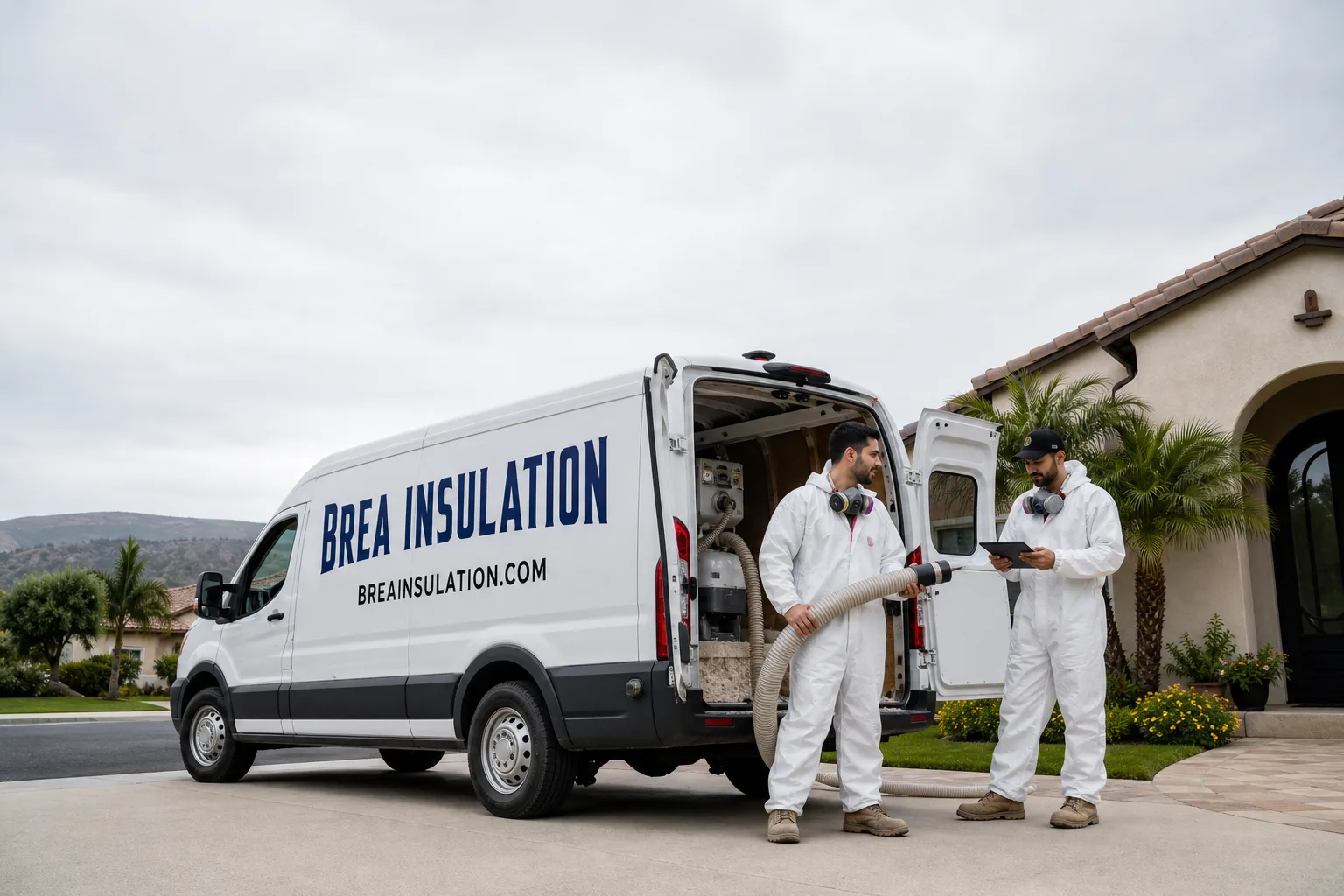
Fast, Reliable Attic Insulation Across San Gabriel
Attic insulation in San Gabriel is a different job than it is in most of Southern California. The city’s pre-1950s bungalow stock means we’re rarely topping up an adequate R-value. More often, we’re retrofitting homes that were never insulated at all. That’s the work we know best. Brea Insulation serves all San Gabriel ZIP codes, 91775, 91776, and 91778, with same-week scheduling for most attic projects. Call (866) 858-4033 for a free estimate, and we’ll send someone who understands the way these old San Gabriel homes were actually built.
Why Brea Insulation Is San Gabriel’s Preferred Attic Insulation Company
San Gabriel homeowners don’t want a general contractor who subcontracted insulation to the lowest bidder. They want someone who has crawled through the same tight bungalow attics we have, who knows what original lath-and-plaster looks like from the inside, and who understands that a 1930s stucco wall can’t be treated like a modern framed wall. Insulation is all we do, and that specialization shows in every install.
Phil Darnell built Brea Insulation around a simple idea: carry enough material options to match the product to the house, not the house to the product. We work with Owens Corning, Demilec, GreenFiber, and Johns Manville, among others, so when a San Gabriel homeowner calls about a hot upstairs bedroom, we can talk through mineral wool versus blown fiberglass versus spray foam without pushing whichever product happens to be in the truck that morning. That’s the difference between a quote and a diagnosis.
San Gabriel customers routinely tell us the same thing: another company quoted them a price over the phone without ever looking at the attic. We don’t do that. Old attics hide things, and you can’t price a job properly until you’ve seen what’s under the old batts or the mouse-chewed newspaper someone used as insulation in 1947.
Radiant Barrier in San Gabriel
Radiant Barrier is one of the highest-impact upgrades for San Gabriel’s inland valley climate, where summer afternoons routinely push into the high 90s and low 100s. A radiant barrier installed on the underside of the roof deck reflects radiant heat before it can soak into the attic floor insulation below. In a city where cooling costs dominate the energy bill, that’s a bigger deal than adding another layer of batts.
We install radiant barrier in San Gabriel attics for homeowners who have already hit a reasonable R-value on the attic floor but still feel the upstairs rooms heating up by mid-afternoon. It’s also the right play when the attic is accessible and open, before blown insulation would make the roof deck hard to reach later. Radiant barrier work in San Gabriel typically runs $1,200 to $2,800 depending on attic square footage and roof pitch. We use perforated, reinforced foil products that won’t trap moisture against the sheathing, which matters on older homes without much ventilation.
One caution: we’ve seen handyman-installed radiant barriers on 1920s bungalows with minimal attic venting, and the result is heat and moisture getting trapped against the original wood sheathing. That accelerates shingle deterioration. On those homes, the radiant barrier has to go in alongside proper ventilation prep, which we handle as part of the same job.
Phil Darnell has us check the attic ventilation before recommending radiant barrier on every pre-1950 San Gabriel home. It’s not a checkbox install. It has to be sequenced correctly.
Radiant Barrier and Hot Summer Rooms
If your upstairs bedroom is ten degrees hotter than the rest of the house by 4 p.m., the roof deck is usually the culprit. A radiant barrier under the rafters cuts that heat transfer measurably, and you’ll feel it within the same day it’s installed. We’ve done enough of these to know the pattern well.
Installing Radiant Barrier Before Blown Insulation
Order of operations matters. If you’re planning to blow insulation onto the attic floor later, install the radiant barrier first while the rafters are still easy to reach. Doing it the other way around means scraping blown material aside to get to the roof deck.
Attic Cleaning Services in San Gabriel
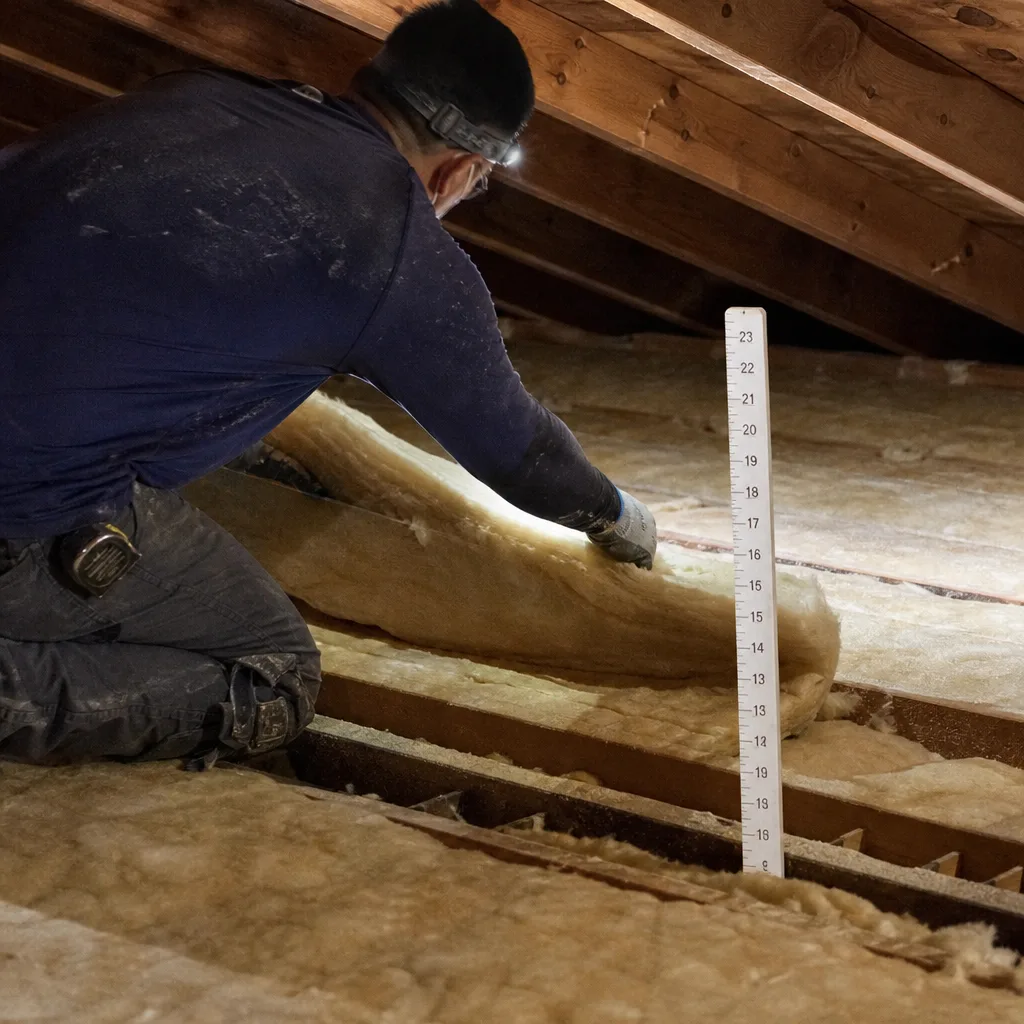
Attic Cleaning Services in San Gabriel are often the necessary first step before any new insulation goes in. Pre-1950s attics here have had decades to accumulate rodent droppings, old dust, and sometimes asbestos-contaminated vermiculite. You don’t want new blown fiberglass landing on top of that. We clean the attic floor, remove old and damaged insulation, and prep the space so the new material performs the way it’s rated to.
San Gabriel homeowners typically need attic cleaning when old insulation is visibly compacted, when rodents have nested in the existing material, or when a leak has soaked part of the attic and the wet insulation won’t ever dry properly. Cleaning runs $800 to $1,800 depending on attic size and what’s up there. If we’re cleaning and reinsulating on the same visit, we can often combine the two scopes at a better rate than doing them separately.
We also handle the tricky part of old attics: working around the original wiring we find. San Gabriel’s older housing stock often means knob-and-tube electrical is still present. We won’t blow or clean against live knob-and-tube. We coordinate with a licensed electrician to deactivate those circuits before our crews go in.
Phil Darnell insists on this coordination. It slows the job down slightly, and it’s the only way to do it safely.
Cleaning Before Insulation Replacement
If old batts have compressed to half their original thickness and you’re going to replace them, there’s no point leaving the compressed layer underneath the new one. We pull the old material, clean the surface, and start fresh. The result is a true R-value, not an optimistic estimate.
Rodent and Debris Removal
San Gabriel bungalows often have gaps where the original construction left openings, and rodents find them. We remove the contaminated insulation, sanitize the area, and flag the entry points so you can seal them before the new insulation goes down. Insulation over a live rodent issue is just bedding for the next nest.
What happens when you call
- 1
A real person answersNo phone trees — you reach a local pro.
- 2
You get an upfront price rangeHonest numbers before anyone is dispatched.
- 3
A background-checked tech heads outLicensed & insured, dispatched right away.
- 4
You approve before work beginsNothing starts until you say go.
Trusted Brands We Service in San Gabriel
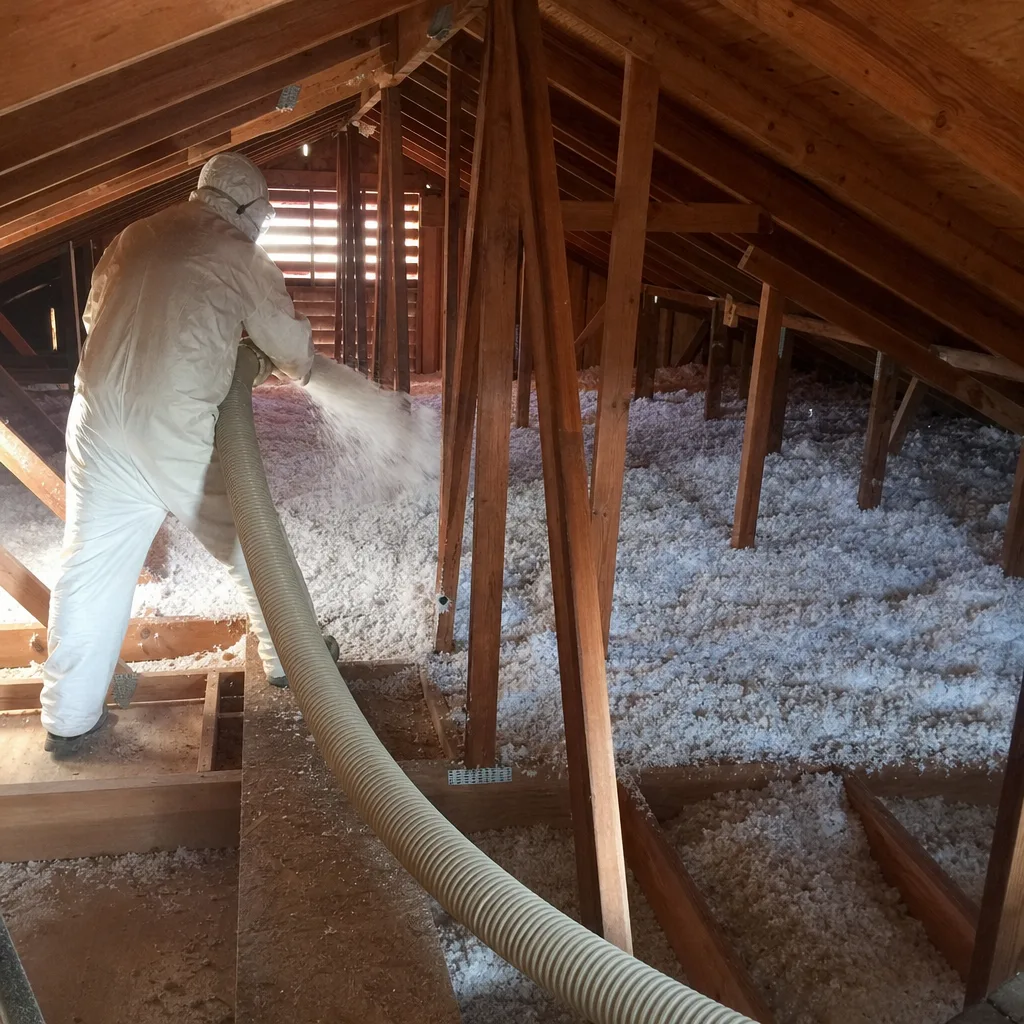
Brea Insulation carries materials from eight manufacturers, so we’re not locked into one product line when we quote a San Gabriel job. We stock Owens Corning fiberglass for standard attic blow-ins, GreenFiber cellulose when a homeowner wants a recycled-material option, Demilec closed-cell spray foam for air-sealing and structural rigidity, and Johns Manville batts for retrofit wall and floor work. For San Gabriel’s pre-1950s bungalows, the right material usually depends on what’s behind the walls and what the roof deck looks like from underneath. We keep local stock available for fast turnaround on San Gabriel projects, which means less waiting between the quote and the install date.
Common Attic Insulation Problems We See in San Gabriel Homes
- Knob-and-tube wiring running through ceiling joists. Original wiring from the 1920s and 1930s is still live in plenty of San Gabriel attics. Blowing insulation over it without proper clearance compresses the material and creates a genuine fire risk. We coordinate with an electrician to deactivate or reroute those circuits before touching the insulation.
- Compressed and sagging blown fiberglass. Old blown insulation settles, and in San Gabriel’s dry heat, it also breaks down. What started as R-30 twenty years ago might be performing at R-19 today. We inspect the depth and density before recommending a top-up or a full replacement.
- Radiant barrier trapping heat against old roof sheathing. 1920s bungalows often have minimal attic ventilation. Installing reflective material directly against uninsulated sheathing without venting can bake the shingles from underneath. We correct the venting first.
- Dense-packed wall insulation cracking lath-and-plaster. The original plaster walls in San Gabriel bungalows are brittle. Dense-packing cellulose or fiberglass at high pressure can crack the keys that hold plaster to the lath. We use low-pressure equipment and slower fill rates on these homes.
Pricing for Attic Insulation in San Gabriel, CA
A straightforward blown-in attic insulation job in San Gabriel runs $1,800 to $3,500 for a typical 1,200 to 1,600 square foot bungalow. Attic insulation top-ups over existing material are cheaper, usually $800 to $1,500. Full attic cleaning plus new insulation lands between $2,200 and $4,200 depending on what’s being removed. Radiant barrier adds $1,200 to $2,800 on top of the attic floor work. Wall dense-packing through stucco, the signature San Gabriel retrofit, runs $3,500 to $6,000 for a full single-story home. Square footage, accessibility, and whether we’re coordinating with an electrician for knob-and-tube all move the number. Call (866) 858-4033 for a free estimate, and we’ll give you a real number based on your attic, not a phone quote based on a formula.
We Also Serve Cities Near San Gabriel
Our crews handle Attic Insulation projects throughout the western San Gabriel Valley, and we regularly serve East San Gabriel, San Marino, Alhambra, and Rosemead. If you’re in one of those neighboring communities, you get the same San Gabriel level of attention to older housing stock and the same crew consistency, because we schedule by geography, not by whichever truck is closest. Brea Insulation works the whole 91775 and 91776 corridor and the surrounding cities, and we know the local building patterns without being told what to expect.
Serving San Gabriel, CA — Our Local Coverage Area
We’re based in the San Gabriel area and know this community well. Use the map below to see our service coverage — if you’re nearby, we can almost certainly help.
FAQs About Attic Insulation in San Gabriel
We won’t blow insulation over live knob-and-tube wiring. The first step is an electrician deactivating or rerouting those circuits, which we coordinate before our crew enters the attic. After that, we install the insulation with proper clearance around any deactivated wiring that remains in place. This is standard practice for us on pre-1950s San Gabriel homes, and it’s the reason we won’t give an insulation quote over the phone for an older bungalow without an attic inspection first. Call (866) 858-4033 to schedule one.
Yes. For the wall cavities, we dense-pack blown insulation through small exterior plugs drilled into the stucco, usually from the outside, then patch the stucco to match the original texture. The plaster stays intact on the inside. For the attic floor, we work from above, so the ceiling below is never disturbed. This is the standard approach for San Gabriel bungalows because it preserves the original lath-and-plaster and avoids opening interior walls at all.
Radiant barrier at the roof deck combined with R-38 blown fiberglass or cellulose on the attic floor. The radiant barrier stops heat before it enters the attic, and the floor insulation slows whatever gets through. In San Gabriel’s high-90s summer afternoons, this combination makes a measurable difference in upstairs room temperature and cooling load. For homes with existing knob-and-tube, we address the wiring first, then build from there.
Usually yes. Rodent droppings, old dust, and sometimes asbestos-contaminated vermiculite are common in pre-1950s San Gabriel attics, and new insulation shouldn’t be blown over them. We clean the attic floor, remove damaged old material, and prep the surface before installing anything new. If the existing insulation is clean and dry, we can often top up without a full cleaning, but most older bungalows need at least a partial removal.
We use low-pressure dense-packing equipment and drill small plugs, usually one or two inches, into the stucco. The fill rate is slower than standard, which lets the material settle without stressing the wall cavity. Then we patch the plugs with stucco matched to the original texture. On fragile lath-and-plaster interiors, this approach keeps the plaster keys intact and avoids the interior cracking we’ve seen from high-pressure crews. Call (866) 858-4033 for a free estimate, and we’ll assess your specific walls before quoting anything.
Written by Phil Darnell, Owner at Brea Insulation, serving San Gabriel and the San Gabriel Valley.