Fast, Reliable Attic Insulation Across Altadena
Attic insulation in Altadena runs $1,800 to $4,600 for a typical 1,200 to 1,800 square foot home, depending on material and whether we’re topping up old batts or starting fresh. Most jobs take one day, sometimes two when we’re also replacing vents or pulling degraded material first. We work throughout 91001 and 91003, from the flats near Lake Avenue up into the canyon streets off Altadena Drive. If your attic is under-insulated, you’re paying for it every month on your Edison bill, and you’re also sitting on a fire-safety gap that matters more here than almost anywhere else in LA County. Call (866) 858-4033 for a free estimate. We’ll send someone who knows exactly what Altadena attics throw at you.
Why Brea Insulation Is Altadena’s Preferred Attic Insulation Company
Insulation is all we do. That’s not a tagline, it’s how we’re built. We don’t do roofing, we don’t do HVAC, we don’t patch drywall. We evaluate, prep, and insulate attics, and because we’ve done thousands of them, we know what a healthy attic assembly looks like before we ever open a bag of material. Phil Darnell started this company on that single-trade principle: when you carry eight brands, you can match the material to the job instead of forcing the job to fit whatever’s on the truck.
In Altadena specifically, that matters more than in a flatland suburb. The housing stock here is older. The fire code here is different. And the attics here, from 1920s Craftsman bungalows off North Marengo to mid-century ranches up toward Loma Alta, tend to have been under-insulated since the day they were built. That’s our wheelhouse. We stock materials from Owens Corning, GreenFiber, and Demilec, and we know which one belongs in which attic. Our Attic Insulation team is licensed and insured, and we back every install with manufacturer warranties that actually mean something on paper.
Radiant Barrier in Altadena
Radiant barrier in Altadena addresses a problem you can’t fix with R-value alone: direct solar gain on your roof deck. On a 95-degree August afternoon, the underside of your roof sheathing can hit 140 degrees. That heat radiates straight down into whatever insulation is below it, and the insulation slows the conduction but doesn’t stop the radiation. A radiant barrier, typically a foil-faced layer installed under the roof deck, reflects that heat back out before it ever reaches your living space.
When a Foothill Home Needs It
We recommend radiant barrier most often on Altadena homes with dark composition shingle roofs and poor attic ventilation. If your second-floor rooms run 10 degrees hotter than your first floor in summer, you’re a candidate. It’s also a smart retrofit for older bungalows where there’s not enough rafter depth to add more than R-30 of fiberglass. The barrier does the work that extra batts can’t fit. Typical cost for a radiant barrier install in this area runs $1.50 to $2.50 per square foot of attic floor, so a 1,400-square-foot attic lands around $2,100 to $3,500.
Pairing Barrier With Insulation
Radiant barrier is never a substitute for insulation. It’s a complement. A full attic job in Altadena often means barrier on the roof deck plus blown-in cellulose or fiberglass on the attic floor. That combination cuts heat gain in summer and heat loss at night, which is the exact pattern this foothill climate produces: blazing afternoons, then 30-degree temperature swings after sunset.
Attic Cleaning Services in Altadena
Attic cleaning services in Altadena are not a luxury add-on. They’re often the first step, because you can’t blow fresh insulation over rat droppings, squirrel nests, or 70 years of dust and expect it to perform or last. Older Altadena homes have older attics, and older attics have history. We’ve pulled everything from nesting material to decomposed newspaper insulation out of these cavities, and the condition of what’s under the old insulation changes what we recommend for the new insulation.
Contamination and Debris Removal
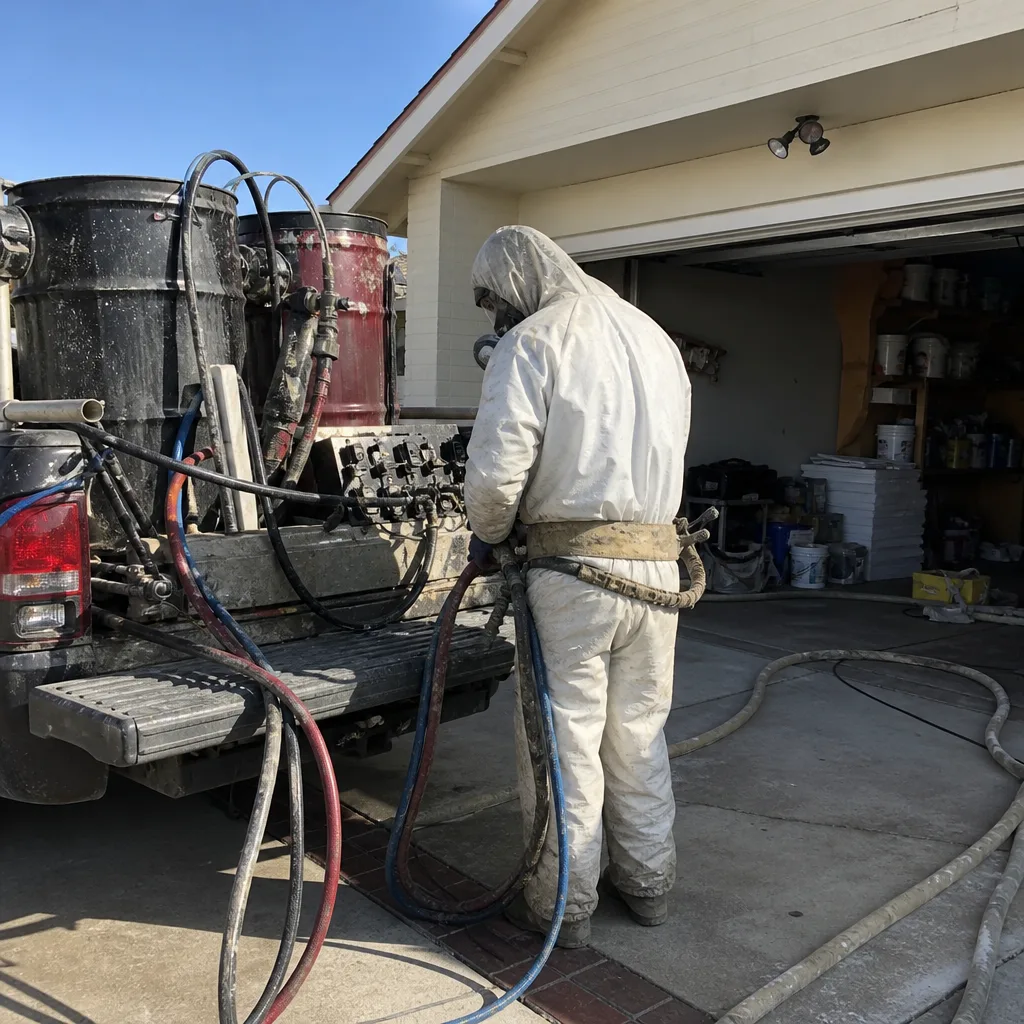
Rodent activity is common in the foothills, and a contaminated attic is both a health issue and an insulation failure. We remove the soiled material, sanitize the affected areas, and only then do we blow in new material. On a 1940s bungalow off North Marengo Avenue, we found the original quarter-inch mesh attic vents had been letting embers in during Santa Ana winds, charring the old fiberglass batts. We replaced them with 1/8-inch WUI-compliant vents and blew in GreenFiber cellulose to bring the attic up to current fire and thermal standards. That’s the kind of two-part job Altadena homes need regularly. Expect cleaning to add $500 to $1,200 to a full attic insulation project here, depending on square footage and contamination level.
Pre-Insulation Prep and Inspection
Old wiring changes the prep work. We inspect every attic for knob-and-tube wiring before any material goes in, because blowing insulation over live knob-and-tube is a fire risk no reputable contractor will take. We’ll flag it, we’ll explain the options, and we’ll coordinate with your electrician before we proceed. That inspection is part of every Altadena job, not an upsell. For a more detailed breakdown of service options across our coverage area, see Attic Insulation in Altadena.
What happens when you call
- 1
A real person answersNo phone trees — you reach a local pro.
- 2
You get an upfront price rangeHonest numbers before anyone is dispatched.
- 3
A background-checked tech heads outLicensed & insured, dispatched right away.
- 4
You approve before work beginsNothing starts until you say go.
Trusted Brands We Service in Altadena
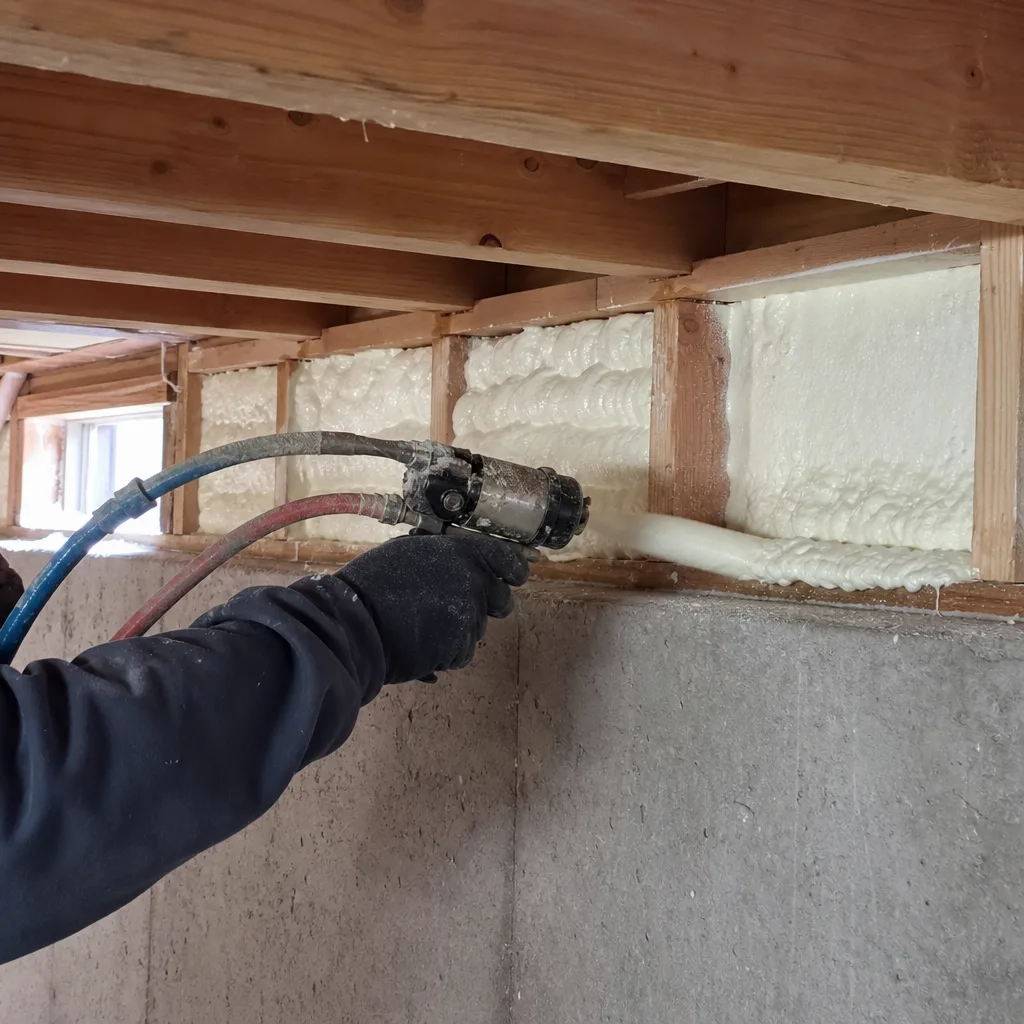
We carry an eight-brand bench for a simple reason: no single material is right for every attic. Demilec open-cell spray foam gives us an air-sealing option for new construction and major retrofits where air leakage is the bigger problem than conduction. GreenFiber cellulose is our go-to for covering older attics efficiently, especially when we’re topping up existing batts. Owens Corning and Johns Manville fiberglass line up when budget matters and the attic is already air-sealed well enough. For Altadena’s fire-prone foothill conditions, we lean on GreenFiber’s dense-pack performance and Demilec’s closed-cell rigidity far more often than a flatland installer would. The right insulation for your home, not just what’s easiest to install.
Common Attic Insulation Problems We See in Altadena Homes
- Ember intrusion through old vents. Original quarter-inch mesh attic vents let embers through during Santa Ana winds, and we’ve seen the charred batts to prove it. Chapter 7A of the California Building Code now requires 1/8-inch or smaller mesh in wildland-urban interface zones like Altadena, but thousands of pre-code homes still have the old screens up there.
- Knob-and-tube wiring in pre-war attics. 1920s through 1940s homes frequently still have active knob-and-tube circuits running through the attic floor. Blowing insulation over them without addressing clearance first creates a real fire hazard, and it’s one of the first things we check on every job.
- Settled fiberglass with gaping holes. Batts installed in the 1970s and 80s have settled, shifted, and compressed. On hillside homes with complex roof lines, we routinely find entire sections where the insulation has slid or separated, leaving the ceiling below nearly uninsulated.
- Zero attic ventilation combined with heavy insulation. Some older Altadena homes have no soffit vents at all, and blowing in R-38 on top of that traps heat and moisture. We install baffles and proper venting as part of the same job so the new insulation actually performs.
Pricing for Attic Insulation in Altadena, CA
A standard blown-in insulation top-up in Altadena runs $1,200 to $2,000 for an 1,100-square-foot attic, bringing it from R-19 to R-30 or R-38. A full removal, prep, and replacement job on a 1,500-square-foot attic typically lands between $3,000 and $4,600, including new baffles and any vent upgrades. Spray foam costs more per square foot but eliminates the separate air-sealing step; expect $3.50 to $6.00 per square foot for closed-cell Demilec on a retrofit. What changes the number most in Altadena is access: hillside homes with low-slope attics, tight crawl spaces, or deteriorated decking add labor hours. Call (866) 858-4033 for a written estimate. It’s free, and it’s based on your actual attic, not a square-footage average.
We Also Serve Cities Near Altadena
Our trucks run regular routes through Pasadena, La Cañada Flintridge, East Pasadena, and San Marino. If your property sits on the Altadena side of the boundary or a few blocks over in any direction, the same crew, same brands, and same Chapter 7A expertise applies. We know this foothill corridor block by block.
Serving Altadena, CA — Our Local Coverage Area
We’re based in the Altadena area and know this community well. Use the map below to see our service coverage — if you’re nearby, we can almost certainly help.
FAQs About Attic Insulation in Altadena
Yes. Altadena sits in a wildland-urban interface zone, which means California Building Code Chapter 7A applies to attic venting on new construction and major retrofits. Vents must have 1/8-inch or smaller mesh to block embers, and many existing Altadena homes still have quarter-inch screens that won’t pass. On every retrofit, we check the vents and upgrade them to WUI-compliant ones before insulation goes in. Call (866) 858-4033 if you’re not sure what’s screening your attic right now.
Not safely, and not to code, unless the wiring is first addressed by a licensed electrician. Knob-and-tube needs air space around it to dissipate heat, and covering it with insulation removes that clearance. We inspect for it on every Altadena job, we’ll point it out if we find it, and we won’t proceed until the wiring is decommissioned or rerouted. It’s a common issue in the 1920s-1940s homes that dominate this area.
A combination that gets overlooked by single-product contractors. Fire-resistant venting matters as much as the insulation itself. For the insulation, GreenFiber dense-pack cellulose is our most common recommendation because it fills older attics fully, resists settling, and carries a Class 1 fire rating. Where air-sealing is the bigger problem, Demilec closed-cell foam is the stronger play. We’ll tell you which one your attic actually needs after seeing it.
The pre-war and mid-century stock here means shallow rafter bays, complex rooflines on hillside lots, and decades of patchwork insulation. That changes which material works. Blown-in cellulose handles the irregular cavities and low-clearance access better than batts. Spray foam makes sense on cathedral ceilings and room-in-attic trusses. There’s no single right answer, which is why we carry eight brands and use all three installation methods.
Yes. We clean before we insulate, not after. That includes removing old insulation, rodent debris, and dust, then sanitizing and prepping the cavity. In this part of the foothills, where wildlife moves through year-round, it’s the step that determines whether your new insulation will perform for five years or thirty. A clean attic also lets us spot fire damage, old ember intrusion, or structural issues before they’re buried under fresh material.
If you’re in Altadena and your attic hasn’t been touched in decades, let’s look at it. Call (866) 858-4033 for a free estimate from Phil Darnell and the Brea Insulation team. We’ll tell you what’s up there, what it’ll cost to fix, and whether Chapter 7A compliance is part of the job. No pressure, just straight answers.
Written by Phil Darnell, Owner at Brea Insulation, serving Altadena and the San Gabriel foothills.