Insulation Company in Moreno Valley, CA
Blown in insulation is the fastest way to restore a Moreno Valley attic that’s lost its thermal barrier, and most homes here need it more than their owners realize. The 1980s-2000s tract boom that built this city left thousands of attics with builder-grade fiberglass that has settled, compressed, or been shoved aside during HVAC replacements. Brea Insulation started working in Moreno Valley in 2014, and the single most common call we get is a homeowner who can’t keep the upstairs below 85 degrees in July. If that’s you, call (866) 858-4033 and we’ll tell you over the phone whether a top-up or full removal is the right move.
Why Moreno Valley Homes Are Different
Moreno Valley sits in the inland Riverside County heat basin, boxed in by the Box Springs to the west and the San Jacintos to the east. Summer highs above 100°F are routine, and that heat doesn’t stop at the roofline. Attic temperatures here routinely hit 150°F by mid-morning from June through September, and that heat radiates down through the ceiling all evening, long after the sun drops. Insulation in Moreno Valley isn’t about surviving winter, it’s about keeping the heat out during a cooling season that runs six months long.
The housing stock compounds the problem. Almost everything built between 1985 and 2005 in the 92551, 92552, 92553, and 92554 ZIPs went up fast, with builder-grade R-11 to R-19 batts that were barely code-compliant the day they were installed. Those batts are now 20 to 40 years old. Many attics have also had HVAC equipment or ductwork replaced over the years, and the insulation was pushed aside, trampled, or pulled up and never put back. The result is an attic that looks insulated from the access hatch but is functionally thin in the spots that matter most.
One more thing that’s specific to this city: the tract homes off the 60 and east of the 215 often have narrow, low-pitch attic access and dense truss framing from the cheaper 1990s builder runs. Technicians who work these attics learn fast that early-morning scheduling is non-negotiable. By 10 a.m. in July, the attic is a 150-degree cavity with limited headroom. We schedule Moreno Valley crews at first light during the summer months, because working in a hot attic doesn’t just test the installer, it can also compromise the material if it’s been sitting in a hot truck or hot attic too long.
Our Main Moreno Valley Services
Most Moreno Valley homeowners call us for one of two reasons: an attic that’s not holding its temperature barrier, or a desire to air-seal the home properly rather than just stuff more fiberglass at the problem. These are the two services we route to their own pages so you can go deeper on each one.
Attic Insulation in Moreno Valley
Attic insulation in Moreno Valley is usually about fixing what’s already up there, not starting from scratch. We remove or top up the old builder-grade batts, air-seal the penetrations and top plates, and bring the attic back to a consistent R-value that actually holds up to a 150-degree attic. The details are on the dedicated page: Attic Insulation in Moreno Valley.
Spray Foam Insulation in Moreno Valley
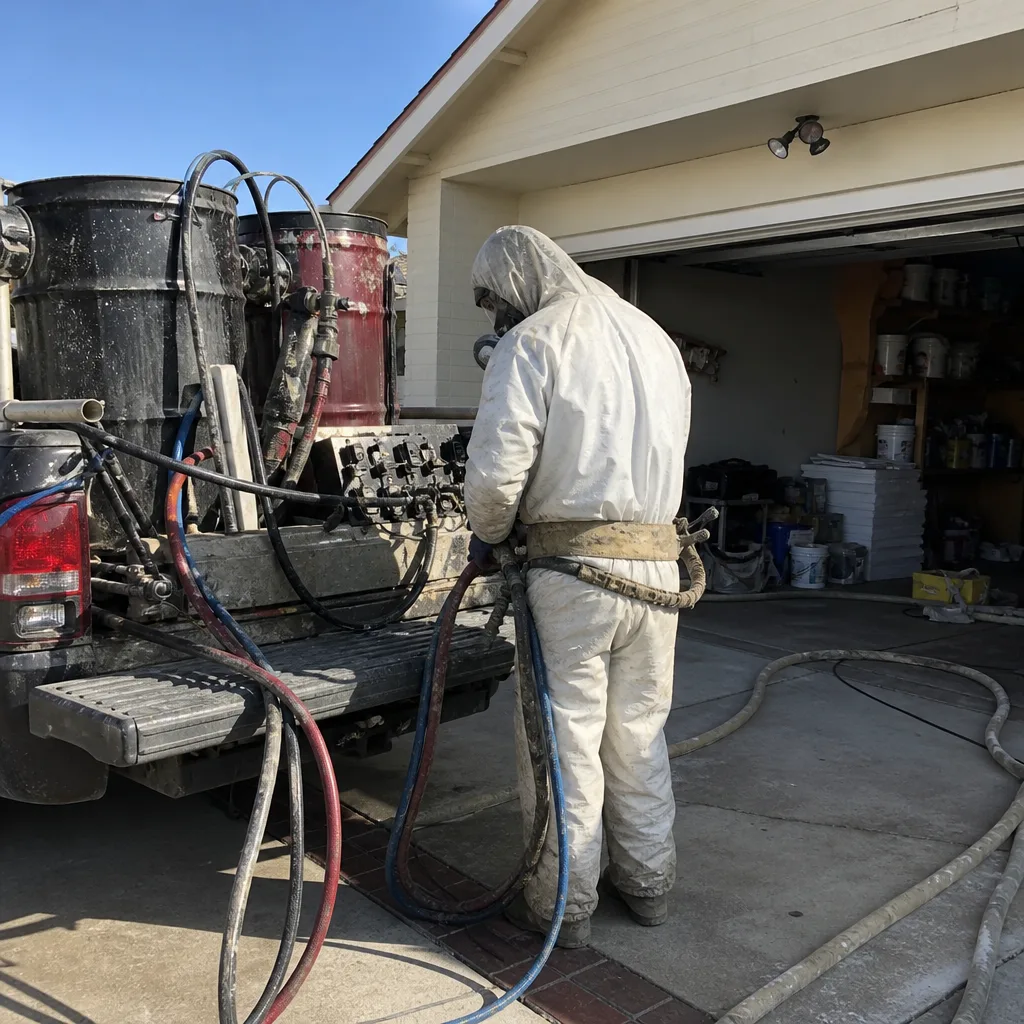
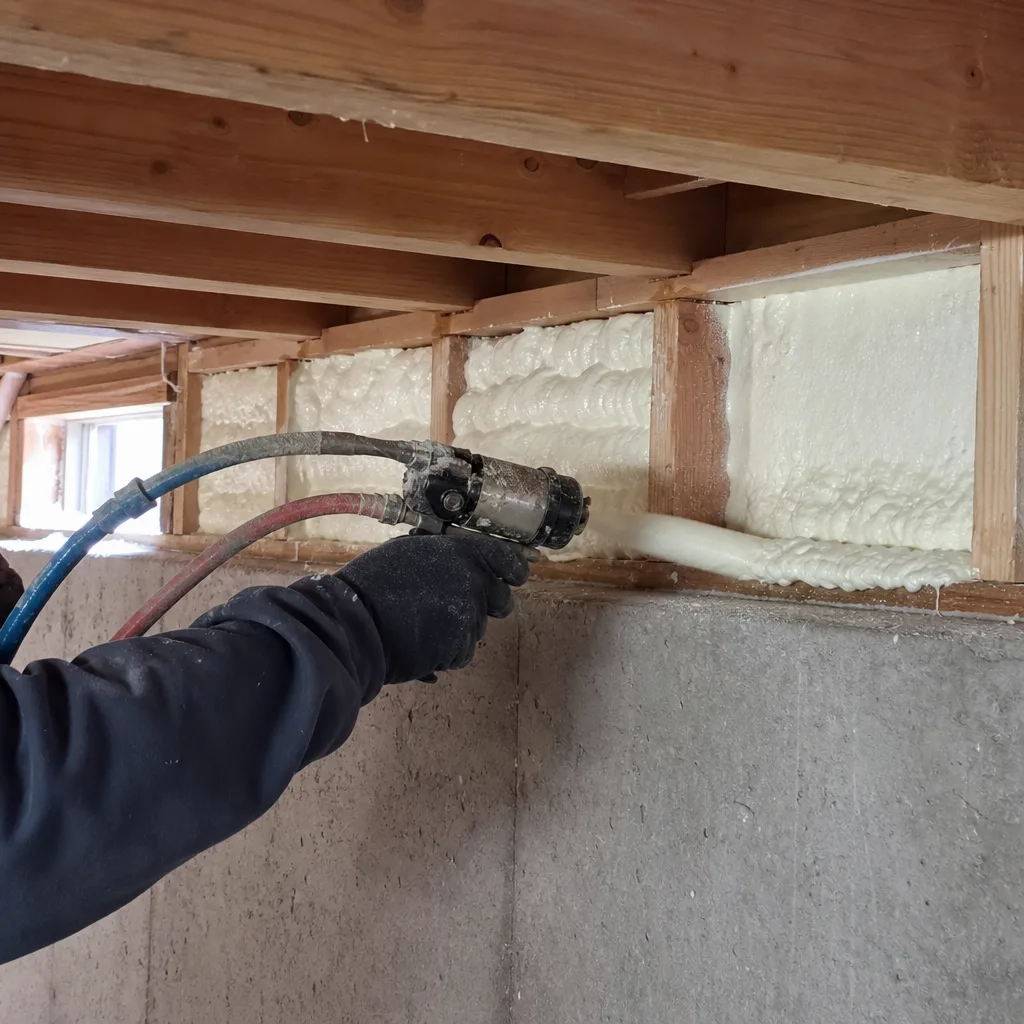
Spray foam is the highest-performance answer for Moreno Valley attics that have been compromised by heat and poor air sealing. Closed-cell foam at the roofline turns the attic into conditioned space, which matters a lot here because the attic is the hottest part of the house for a third of the year. We install both Icynene and Demilec lines, and you can read the full breakdown here: Spray Foam Insulation in Moreno Valley.
What happens when you call
- 1
A real person answersNo phone trees — you reach a local pro.
- 2
You get an upfront price rangeHonest numbers before anyone is dispatched.
- 3
A background-checked tech heads outLicensed & insured, dispatched right away.
- 4
You approve before work beginsNothing starts until you say go.
Blown In Insulation in Moreno Valley
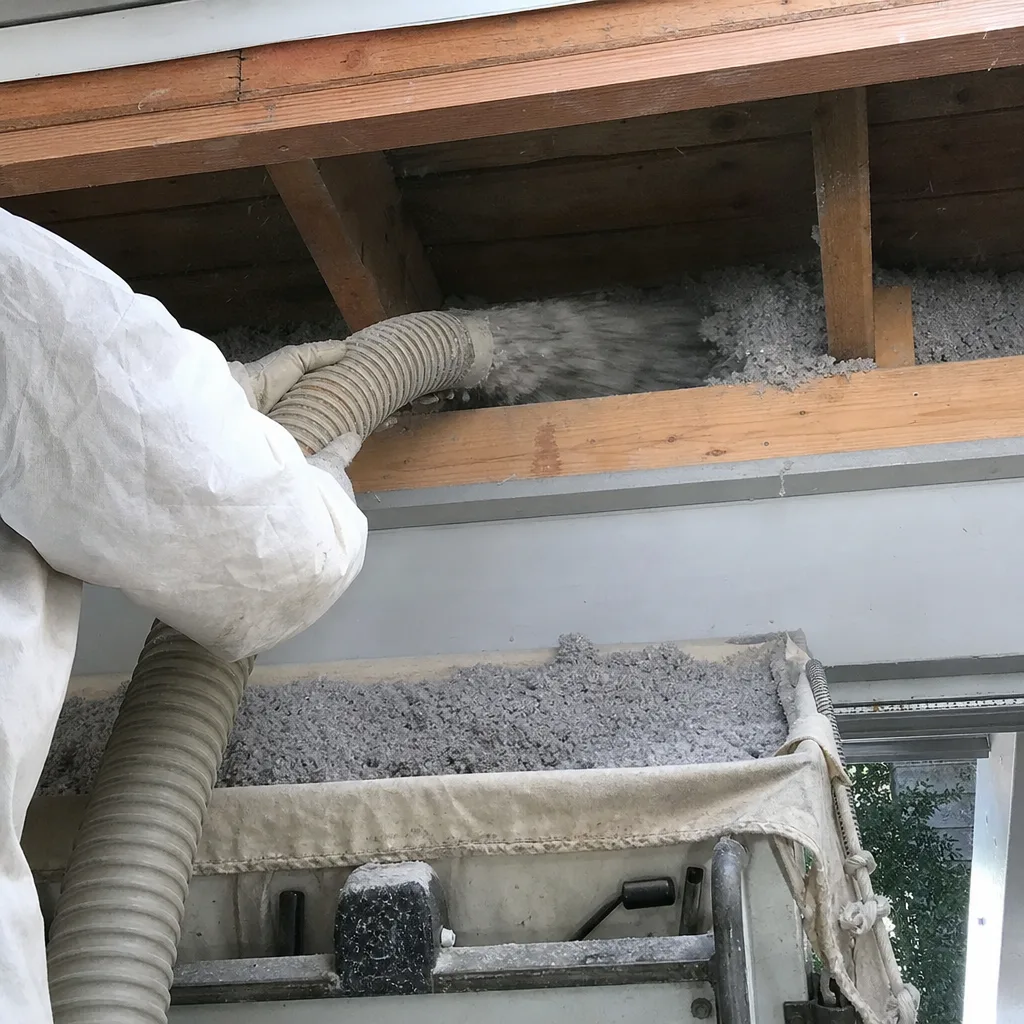
Blown in insulation is the workhorse fix for Moreno Valley attics that have old, settled fiberglass batts lying flat and underperforming. It’s fast, it fills the cavities batts simply can’t, and it’s the most cost-effective way to bring a 1990s tract home back to a thermal barrier that actually blocks 150-degree attic air from bleeding into the living space below. Here’s the honest truth from jobs we’ve done across the 92551, 92552, 92553, and 92554 ZIPs: most attics in this city are running at R-19 or less when the Department of Energy says this climate zone should be at R-49. Blown-in material closes that gap in a single day, with no wall demolition and no disruption to the rooms below. If you want to understand the method before we talk, start with our full Blown In Insulation overview.
Cellulose Insulation
Signs you need it
If your attic has old batts that are dusty, compressed flat, or have been shoved into piles during a re-pipe or re-duct job, blown cellulose can fill the void and restore even coverage.
What it costs in Moreno Valley
Blown cellulose installed in a typical Moreno Valley attic runs $1,200 to $2,800 depending on square footage, depth, and whether old material has to come out first.
How we do it
We run a hose from the attic access, blow GreenFiber recycled cellulose to the target depth, and even it out with blow-in rakes until every cavity is filled to spec.
Blown In Attic Insulation
Signs you need it
Rooms under the attic run 8 to 12 degrees warmer than the rest of the house in summer, or you can see bare drywall and framing through the existing insulation layer.
What it costs in Moreno Valley
Blown-in attic insulation for a standard Moreno Valley tract home runs $1,500 to $3,200, with deeper fills and two-story layouts pushing toward the upper end.
How we do it
We air-seal the top plates and penetrations, mark target depth with a depth gauge, and blow the material evenly until the entire attic floor reaches the agreed R-value.
Blown In Fiberglass Insulation
Signs you need it
Existing batts have settled to R-11 or less, or you want a dry, mold-resistant fill that won’t hold moisture the way older fiberglass batts sometimes do.
What it costs in Moreno Valley
Blown-in fiberglass in Moreno Valley runs $1,100 to $2,600, which makes it the lower-cost option for top-up jobs where existing material is still dry and in place.
How we do it
We blow Owens Corning loose-fill fiberglass over the existing layer to reach the target R-value, then level it so coverage is consistent from the eaves to the peak.
Loose Fill Insulation
Signs you need it
Your attic has uneven coverage, gaps around trusses, or low spots from years of HVAC techs moving material around, and you need a fill that can reach every odd-shaped corner.
What it costs in Moreno Valley
Loose fill insulation installed in a Moreno Valley attic typically runs $1,200 to $2,400, depending on material choice and the depth required to hit R-49.
How we do it
We lay down insulation dams where needed, blow the fill to a consistent depth across the entire floor, and compact-proof any areas near attic access points so future work won’t disturb it.
What Blown In Insulation Costs in Moreno Valley
| Item | Typical range in Moreno Valley |
|---|---|
| Blown-in attic top-up (existing material in place) | $1,100 – $2,200 |
| Full removal and new blown cellulose | $2,400 – $4,800 |
| Full removal and new blown fiberglass | $2,200 – $4,200 |
What pushes the price up in Moreno Valley is almost always attic accessibility. The narrow, low-pitch access in the 1990s tracts east of the 215 means the crew works in tighter conditions, and if the old batt has to be bagged and carried out by hand, that labor adds up. The price we quote is the price you pay at the end, no line-item surprises.
How long does blown in insulation last in Moreno Valley heat?
Good blown cellulose or fiberglass installed to R-49 in a Moreno Valley attic should last 20 to 30 years without meaningful settling loss. The heat doesn’t degrade the material itself, but repeated HVAC work in the attic compresses it over time, so we recommend checking depth every few years after any equipment replacement.
Can you blow insulation over existing batts in Moreno Valley?
We can, but only if the existing batts are dry, flat, and free of rodent damage or mold. If the old material is compressed or displaced, blowing over it locks in the problem. Call (866) 858-4033 and we’ll tell you honestly whether top-up works or removal is the better call.
Brands We Service in Moreno Valley
We stock materials from our eight-brand roster, and Moreno Valley jobs typically pull from Owens Corning loose-fill fiberglass, GreenFiber recycled cellulose, and Icynene spray foam for the roofline. Once we inspect your attic, we can confirm the material and start the job within a few days in most cases. See our brands for the full list.
Pricing for Insulation Company in Moreno Valley, CA
| Service | Typical range in Moreno Valley |
|---|---|
| Blown-in attic top-up | $1,100 – $2,200 |
| Full blown-in replacement | $2,200 – $4,800 |
| Spray foam roofline (closed-cell) | $2,500 – $7,000 |
| Spray foam rim joist air seal | $600 – $1,400 |
| Attic air sealing and insulation | $1,800 – $4,000 |
| Radiant barrier retrofit | $900 – $2,200 |
Moreno Valley jobs run higher than coastal cities because the heat load demands deeper fills and the attic access is often tight enough to slow down the work. That’s also why we drive out here on a firm schedule and quote upfront, so you know the number before the crew shows up. One price, one pass, done right.
Neighborhoods We Serve in Moreno Valley
We cover the entire city, from the older subdivisions off Alessandro and Ironwood to the newer builds east of the 215. Our crews are in Moreno Valley every weekday during the summer, and we can usually get to a job within 24 to 48 hours depending on the season and attic access conditions.
- Sunnymead Ranchos
- Moreno Valley Ranch
- Canyon Springs
- Hidden Springs
- North Ridge / Indian Hills
Service Area – Cities Near Moreno Valley
Beyond Moreno Valley proper, we also run crews into the communities that loop around the 60 and 215 corridors. Homeowners in March Air Force Base, CA and Woodcrest, CA call us for the same settled-batt and heat-load problems we see in Moreno Valley every week. We also serve Colton, CA and Loma Linda, CA for insulation top-ups and full attic retrofits.
Serving Moreno Valley, CA — Our Local Coverage Area
We’re based in the Moreno Valley area and know this community well. Use the map below to see our service coverage — if you’re nearby, we can almost certainly help.
FAQs About Insulation Company in Moreno Valley
We schedule Moreno Valley attic work at first light during June through September, and we can usually book a new inspection within 24 to 48 hours. Same-week installation is typical for blown-in and attic jobs. Call (866) 858-4033 to lock a morning slot before the attic gets hot enough to affect the material.
Insulation retrofits in an existing attic do not need a city permit in Moreno Valley. HOAs generally don’t review interior attic work either, though some newer subdivisions ask for a heads-up if a truck parks on the street for several hours. We handle the scheduling so the job is done in one visit.
Yes. We serve 92551, 92552, 92553, and 92554, plus the surrounding Riverside County communities. If you’re in a Moreno Valley neighborhood off the 60 or east of the 215, you’re in our regular service area. Call (866) 858-4033 and we’ll confirm your address and schedule the visit.
What happens when you call
- 1A real person answersNo phone trees — talk to a local insulation pro.
- 2You get an upfront price rangeHonest numbers before anyone is dispatched. No surprises.
- 3A background-checked tech heads outLicensed & insured, typically within 60-minute.
- 4You approve before work beginsNothing starts until you say go.
What Moreno Valley Customers Say
"Found and sealed a gap around the chimney chase that was basically an open chimney to the attic."
— Darius Grant"Installed baffles at the soffits so the new insulation didn't block the ventilation, which the previous contractor apparently never considered."
— Marisol Vargas"Told me the crawlspace didn't need doing and only the attic did. Half the job, half the money."
— Kelly Reed