
Attic Insulation Pricing Breakdown: What Brea Homeowners Pay in 2026
Most Brea homeowners will pay between $2,400 and $6,800 for a complete attic insulation job in 2026, with the final number driven by three things: material grade, whether air sealing is bundled in, and whether old insulation gets removed first. The two quotes sitting on your kitchen table probably aren’t for the same job, even if both say “attic insulation, R-38.” One likely excludes air sealing, uses a lower-density blown product, and leaves old insulation in place. The other doesn’t. The price gap between them isn’t profit margin, it’s scope. If you’d rather skip the line-by-line decoding and just get a straight answer for your attic, call (866) 858-4033.
The Line-Item Reality: Why Two R-38 Quotes Can Be $4,000 Apart
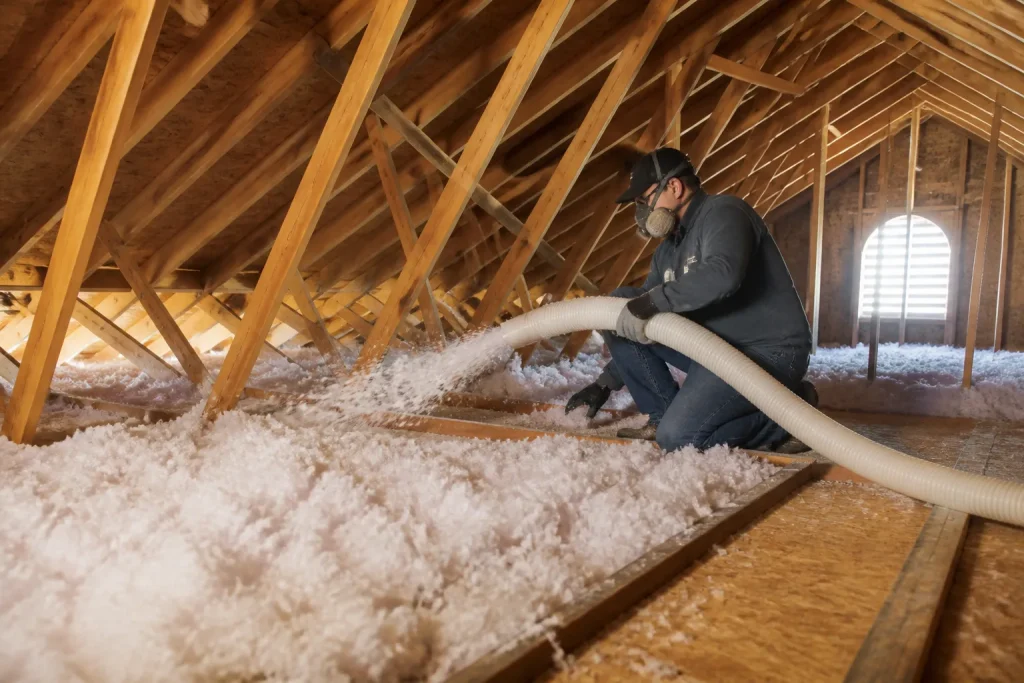
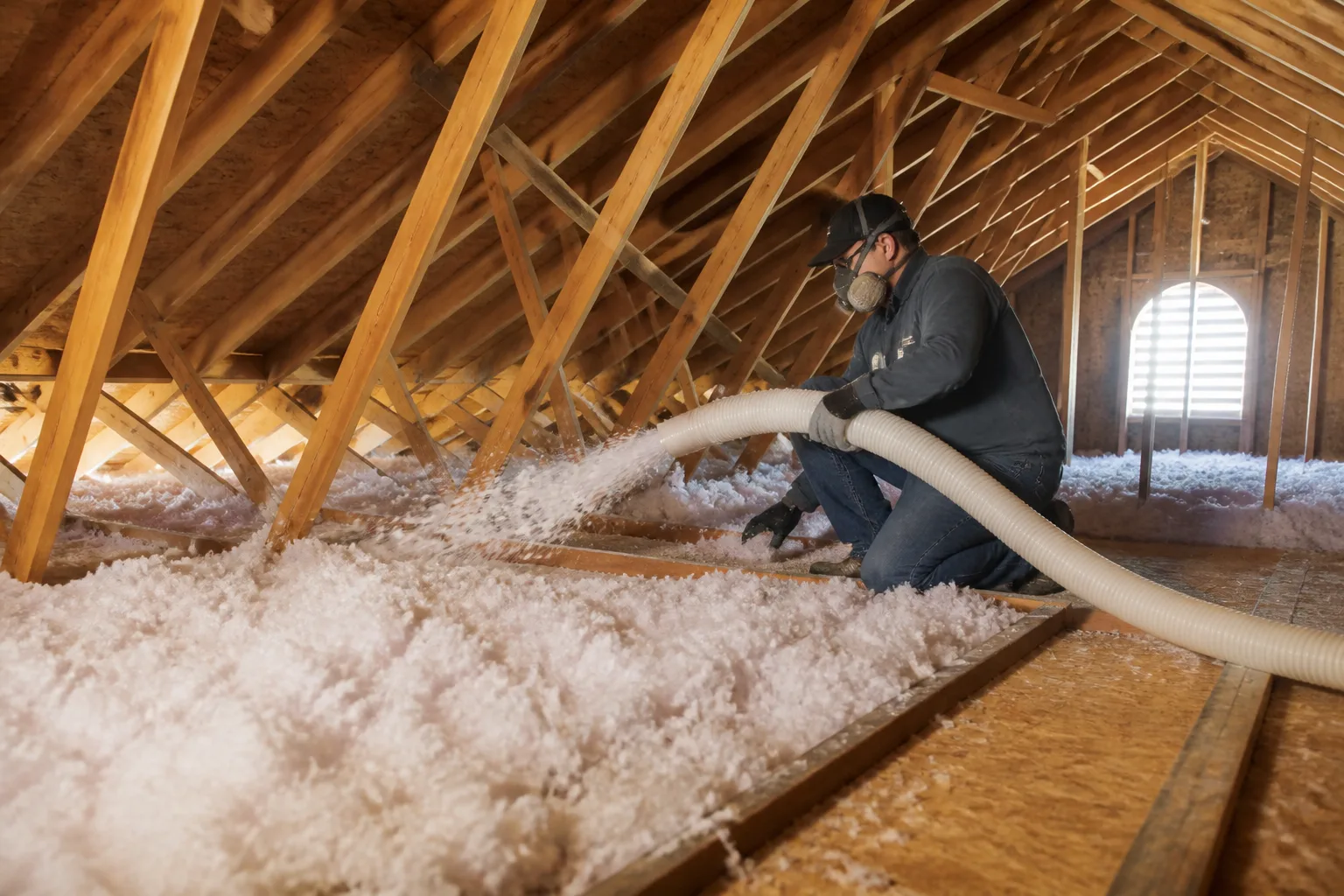
Here’s something most insulation pricing guides won’t tell you: bid sheets from different contractors rarely describe the same scope, even when they use identical R-value language. We see this constantly in Brea. One bid says “blow R-38 fiberglass over existing.” Another says “remove existing insulation, air seal all penetrations, install R-38 with baffles and a knee wall dam.” Those are radically different jobs. The first is a two-hour material drop. The second is a multi-day retrofit that actually solves the comfort problem.
When you compare quotes, don’t compare the bottom number. Compare these three line items:
- Existing insulation treatment – left in place, topped up, or removed entirely
- Air sealing – included, optional, or not mentioned at all (that’s a red flag)
- Material grade and brand – generic blown fiberglass vs. Rockwool batts vs. closed-cell spray foam are different products with different price points and different performance profiles
A bid that comes in 30% under market is almost always missing one of these. We’ve walked into attics after a low-bid job and found fresh insulation blown directly over rodent-soiled material with zero air sealing. The homeowner paid twice: once for the cheap install, once for us to do it right. That’s the false economy we want Brea homeowners to avoid.
What Each Material Actually Costs in Brea (2026 Ranges)
Let’s put real numbers on paper. These ranges assume a typical Brea attic of 1,200 to 1,800 square feet, which covers most homes built from the 1960s through the early 2000s in neighborhoods like La Floresta, Sonata, and the older tracts north of Imperial Highway. Prices include labor, and these are current market ranges for 2026, not last year’s numbers.
| Material | Installed Cost (1,200 – 1,800 sq ft attic) | Notes |
|---|---|---|
| Blown fiberglass (R-38) | $2,400 – $3,800 | Entry-level option; good for top-ups over existing material |
| Blown cellulose (R-38) | $2,800 – $4,200 | GreenFiber recycled content; better air-blocking than fiberglass |
| Rockwool batts (R-30 – R-38) | $4,500 – $7,500 | Fire-resistant, acoustically superior; heavier install |
| Open-cell spray foam | $5,500 – $9,000 | Air-seals as it insulates; roof deck or floor applications |
| Closed-cell spray foam | $8,000 – $14,000 | Highest R-value per inch; structural and vapor barrier benefits |
Those are honest ranges based on what we’ve bid and what our crews install across Brea. The spread within each material type comes down to attic accessibility, joist depth, whether we need to build up or install baffles, and how much prep work the existing space needs. A low-slope attic with a tight access hatch will cost more than a wide-open truss attic every time.
One thing worth being direct about: we carry eight brands for a reason – Owens Corning, Johns Manville, Knauf, Rockwool, CertainTeed, Icynene, Demilec, and GreenFiber – because no single material is right for every home. The recommendation should be driven by the house, not by what’s cheapest to stock. When someone tells you only one product works for everything, you’re talking to a distributor, not a diagnostician.
The Air Sealing Line Item: What It Costs and Why Skipping It Kills Your ROI
Air sealing in a Brea attic runs $800 to $1,800 as a standalone line item, depending on how many penetrations the crew has to address. If it’s bundled into a full insulation retrofit, you’ll often see it discounted or absorbed into the total. But it’s never free, and if it’s not on the bid, it’s not being done.
Here’s what’s at stake. Your attic insulation works by trapping still air. But every recessed light can, top plate, plumbing vent, and electrical chase lets conditioned air rush up into the attic and out through the roof vents. In a typical Brea home with a 1,500-square-foot footprint, the cumulative leak area of these penetrations is equivalent to leaving a small window open year-round. The insulation slows heat transfer, but only air sealing stops air movement – and in our climate zone, air movement often matters more for comfort and energy cost than conduction does.
Think of it this way: buying premium insulation without air sealing is like putting a high-end down jacket on over a fishnet shirt. The jacket’s doing its job, but the cold air’s finding a different path. We routinely counsel homeowners who call us for a simple top-up that their real problem isn’t insulation depth at all – it’s the can lights from 1987 dumping living room air into the attic cavity.
When to call a pro: Air sealing involves identifying and sealing thermal bypasses, some of which sit right next to old wiring or recessed fixtures. Some can lights aren’t insulation-contact rated and need covers before anything gets blown near them. A trained crew knows what can be foamed, what needs a barrier, and what should be left alone. That judgment matters more than the caulk gun.
Removal of Old Insulation: What Brea Homeowners Pay and Why It’s Usually Worth It
Removing existing attic insulation in Brea runs $2 to $3.50 per square foot, so for a 1,500-square-foot attic, you’re looking at roughly $3,000 to $5,000 for complete removal and disposal. That’s a significant line item, and it’s the one homeowners most often waive to save money. Sometimes that’s the right call. Often it isn’t.
Here’s the honest version: if the existing material is dry, clean, and just under depth – say, a 2005 installation of R-19 fiberglass where you want R-38 – then blowing new material over the top is standard practice and works fine. But Brea has a lot of attics where the old insulation has been through things. Rodent activity, roof leaks, contractor debris, old visible mineral streaks from past moisture events. Blowing fresh fiberglass over that doesn’t fix the problem. It seals it under a cleaner layer.
- Degraded insulation loses loft and R-value, so your thermal math is based on a fiction
- Contaminated material stays contaminated, and sealing over it makes future remediation harder
- You can’t properly air seal what you can’t see – removal exposes the top plates and penetrations
- The existing insulation may be hazardous (vermiculite, old fiberglass with binder breakdown) and needs professional handling
One of our crews pulled insulation out of a north Brea ranch this spring and found the previous owner’s 1970s-era roof leak had saturated a patch of batts, which had molded quietly for decades under a layer of newer blown fiberglass. The homeowner’s allergies finally made sense. We removed it, sanitized the affected area, air sealed, and blew fresh GreenFiber cellulose. That job cost more than a simple top-up. It also fixed the actual problem, which a top-up never would have.
California Utility Rebates in 2026: What SCE and SoCalGas Still Pay For
Brea homeowners can still access rebate money for attic insulation in 2026, but the programs are tighter than they were three years ago. Both Southern California Edison and SoCalGas run energy efficiency incentive programs that rebate a portion of insulation costs – typically $0.15 to $0.30 per square foot installed, sometimes more when paired with air sealing. Some third-party aggregators offer enhanced rebates if you go through their program pipeline.
What you need at time of installation to qualify:
- Pre-installation verification – most programs require photos or a brief inspection documenting the starting R-value before work begins
- Post-installation verification – photos of the finished depth and coverage in each zone of the attic
- Contractor documentation – the installing company must be registered with the program; unregistered contractors can’t trigger rebates
- Material receipts – brand, type, and R-value per inch must be itemized on the invoice
The practical takeaway: if you want rebate money, ask your contractor whether they’re enrolled in the SCE and SoCalGas programs before you sign. Many companies in Brea claim rebates are “available” but don’t actually process the paperwork. Others are registered but don’t do the documentation step, and the rebate dies at the desk. At Brea Insulation, we handle the rebate documentation as part of the job file because it’s the difference between a real discount and a marketing line on a flyer. If you want help navigating it, call (866) 858-4033 and we’ll tell you what your specific attic qualifies for before we ever quote the work.
Red Flags on a Low-Ball Attic Insulation Bid
We’ll be direct: when an attic insulation quote in Brea comes in more than 30% below the market ranges we cited above, the corners being cut are predictable. You should know what those corners look like because nobody lists them on the invoice.
- No air sealing line item. This is the most common omission. The bidder is blowing insulation only. Your comfort and energy bill won’t change much without sealing.
- No mention of baffles or vent protection. Soffit vents get buried under blown material, cutting attic ventilation and shortening roof life.
- No depth markers. R-38 claims require settled depth verification. No markers, no accountability.
- Vague material language. “Blown insulation” without a brand and R-value per inch is code for whatever the supplier had on sale that week.
- No rebate registration. The contractor isn’t enrolled with SCE or SoCalGas programs, which means your rebate is gone before the install starts.
- One-truck operation without specialized equipment. Proper blown-in fiberglass and cellulose require calibrated blowing machines. A guy with rental equipment and a deadline won’t hit consistent density.
We’re not saying cheap work can’t be quality work. We’re saying that when the price drops far enough, physics doesn’t bend. The material costs are what they are, the labor hours are what they are, and the permit and rebate paperwork takes time whether it’s done or skipped. If a bid undercuts the market dramatically, ask which of those six items got removed. Then decide if the savings are worth it.
The Bottom Line
Brea attic insulation in 2026 runs from about $2,400 for a basic blown fiberglass top-up to $14,000 for closed-cell spray foam on a large attic. Most jobs land in the $3,500-to-$7,000 range when air sealing and proper prep work are included. The quote you should trust is the one that itemizes what’s actually being done: material grade, removal, air sealing, vent protection, and depth verification. Anything vague probably isn’t vague on accident.
If you’re in Brea and want a straight answer on what your attic needs and what it’ll cost, Brea Insulation offers free estimates. We’re a dedicated insulation contractor – it’s all we do – and we’ll walk you through the full spectrum of methods, from attic insulation to spray foam to blown-in cellulose, matched to your home rather than to our inventory. Call (866) 858-4033.
Frequently Asked Questions
Most Brea homeowners pay between $2,400 and $6,800 for a complete attic insulation project, with material type, air sealing, and removal of old insulation as the three main cost drivers. A basic blown fiberglass top-up starts around $2,400, while closed-cell spray foam on a large attic can reach $14,000. The average full retrofit with air sealing lands near $4,500 to $5,500. Call (866) 858-4033 for a specific quote on your attic.
For most Brea homes, topping up existing insulation is cheaper upfront – usually $2,400 to $3,800 for blown fiberglass or cellulose over existing material – but if the old insulation is contaminated, compressed, or blocking proper air sealing, removal and new installation provides better long-term value despite the higher initial cost. The deciding factor is the condition of what’s already up there.
Yes, a straightforward blown-in attic top-up in Brea can typically be completed in a single day, including setup, blowing, depth verification, and cleanup. Full removals, air sealing, and spray foam projects usually take two to three days depending on attic size and access. Call (866) 858-4033 to check current scheduling availability.
Yes, Brea homeowners served by Southern California Edison and SoCalGas can still access insulation rebates in 2026, typically $0.15 to $0.30 per square foot when installed by a registered contractor with proper pre- and post-installation documentation. The installing company must be enrolled in the utility programs and complete the verification paperwork for the rebate to process.
Written by the team at Brea Insulation, serving Brea since 2014.
Need Insulation Help?
Call Brea Insulation — licensed & insured, here with fast after-hours help in Brea.
(866) 858-4033