
Insulation Company in San Marino, CA
Blown in insulation is the most common retrofit we install in San Marino, and it’s a job this city’s housing stock makes genuinely different from the rest of the San Gabriel Valley. These are not 1990s tract homes with clean, open attics. They’re 1910s and 1920s estates with lath-and-plaster walls, original clay-tile roofs, and framing that hasn’t been touched since the Coolidge administration. Retrofitting them properly means knowing where the thermal leaks actually are in a Spanish Colonial versus a Tudor Revival, and how to dense-pack a balloon-framed wall without blowing a hole through 100-year-old plaster. That’s the work we do here. Call (866) 858-4033 if you’re tired of rooms that won’t hold temperature.
Why San Marino Homes Are Different
San Marino sits hard against the base of the San Gabriel Mountains, which sounds scenic and is, but it also means the afternoon sun hits west-facing stucco walls and uninsulated attics with a vengeance from June through September. The big insulation payoff in 91108 is summer heat rejection, not winter heat retention. Attic temperatures here routinely climb past 140 degrees in August, and that heat doesn’t stay politely in the attic. It radiates down into bedrooms and upstairs hallways through uninsulated ceilings, which is why so many San Marino homeowners tell us their upstairs runs eight to ten degrees hotter than the first floor every summer.
The housing stock compounds the problem. Most of the city’s homes were built between 1910 and 1940, in the Spanish Colonial, Tudor, and Colonial Revival styles that define San Marino’s streets. They were framed with balloon construction, which means wall cavities run continuously from foundation to attic with no fire blocking. That’s an open chimney for hot air rising, and it’s why blown in insulation in these homes often means dense-packing wall cavities, not just topping up an attic. Lath-and-plaster walls are the second complication: they’re airtight in a way drywall isn’t, but they crack if you hammer on them, so installers need to know when to drill from the interior and when to go through stucco from outside. Historic review adds one more layer. Many properties in San Marino fall under local landmark or design-review rules, which means exterior changes need sign-off and the right answer is often interior-access installation that leaves the facade untouched.
Our Main San Marino Services
Two services account for most of San Marino’s calls to Brea Insulation: attic insulation, which handles the summer heat problem that dominates 91108, and spray foam, which solves the air-sealing and hard-to-reach cavity jobs that older construction creates.
Attic Insulation in San Marino
Most San Marino attics we see have a thin layer of original fiberglass batts that have compressed to near zero R-value, if they have anything at all. The job in these homes typically means removing whatever is up there, air-sealing the top plates and any holes around old wiring, and blowing fresh insulation to the right depth. Clay-tile roofs make attic access a ladder-and-hatch job, often through a small scuttle in a hallway ceiling, and the attic itself may be shallow-pitched and awkward to work in. Read the full breakdown at Attic Insulation in San Marino.
Spray Foam Insulation in San Marino
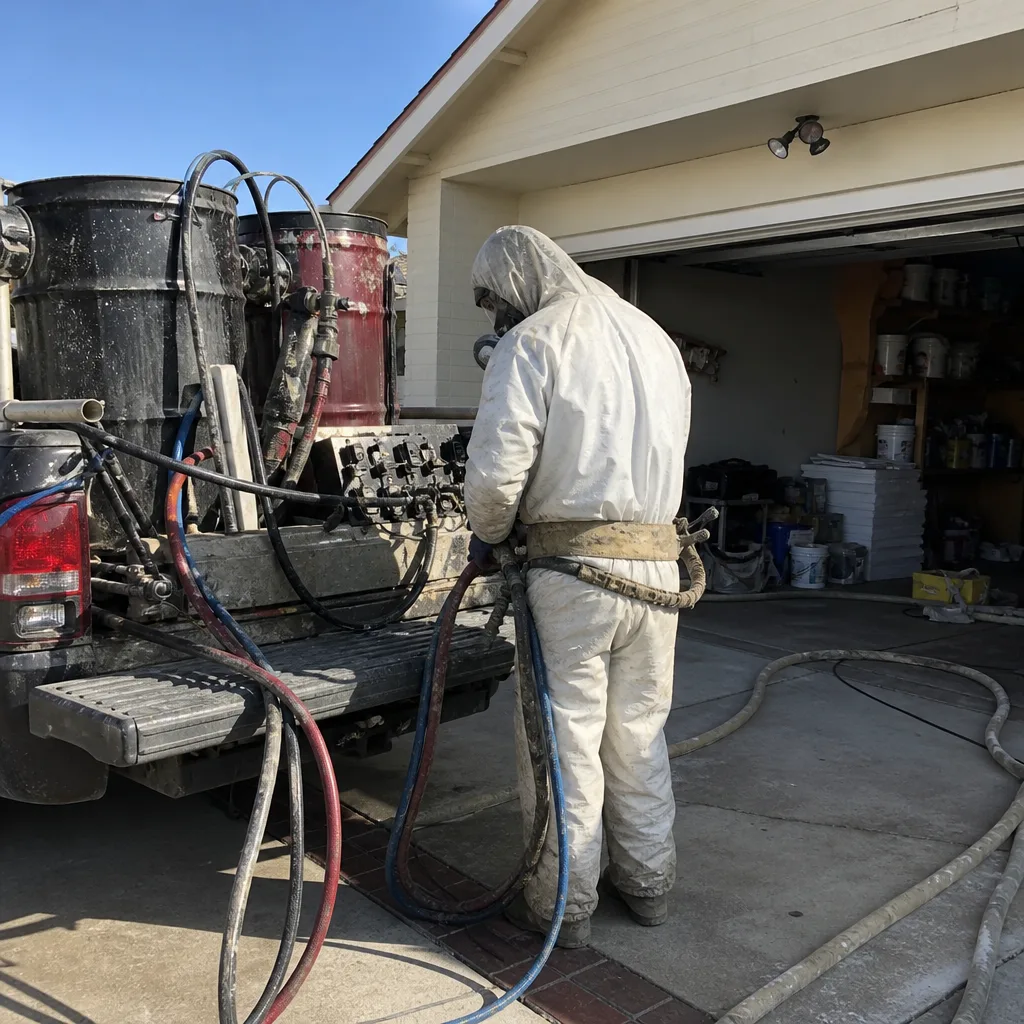
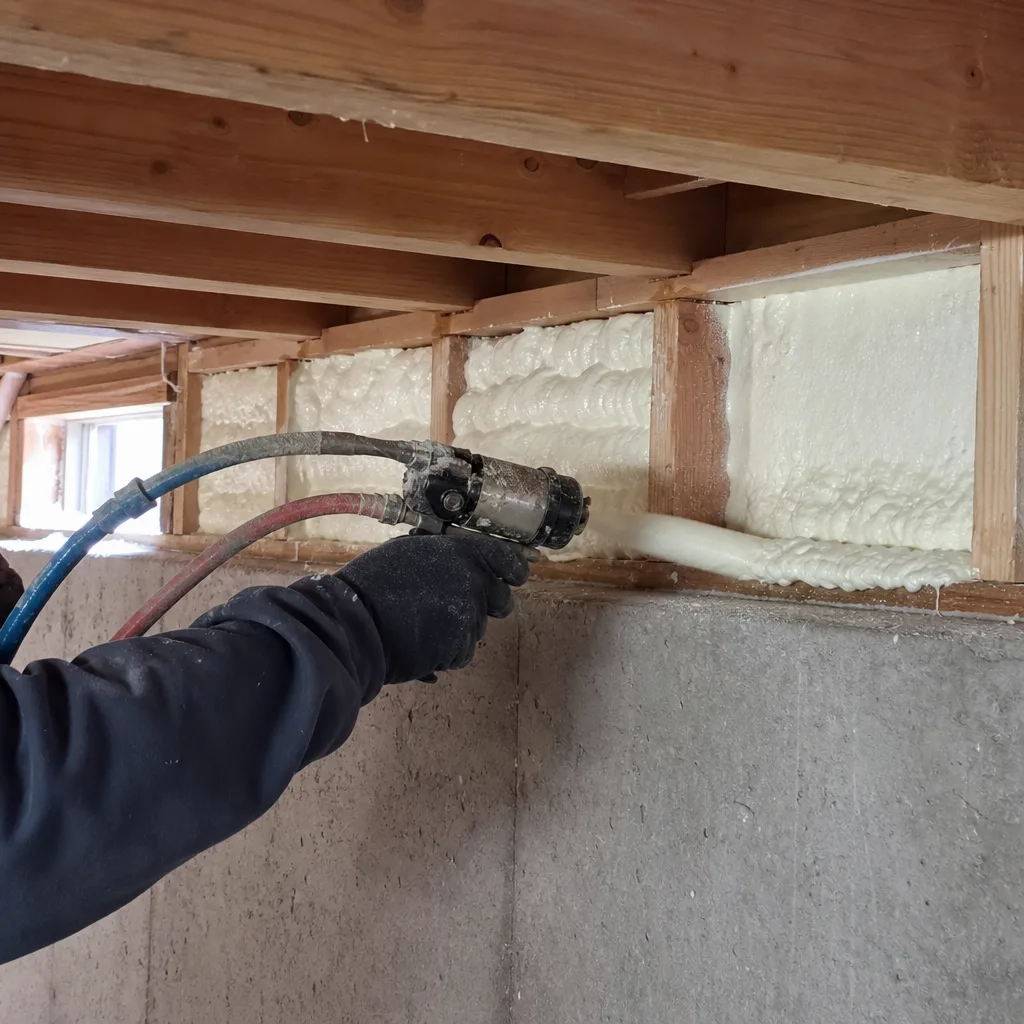
Spray foam earns its keep in San Marino where framing is irregular, access is tight, or the goal is air sealing as much as insulation. Closed-cell foam works in the shallow rafter bays under clay-tile roofs, and open-cell foam can be applied to the roofline to create a conditioned attic in homes where ductwork runs through the hottest part of the house. For more detail, see Spray Foam Insulation in San Marino.
What happens when you call
- 1
A real person answersNo phone trees — you reach a local pro.
- 2
You get an upfront price rangeHonest numbers before anyone is dispatched.
- 3
A background-checked tech heads outLicensed & insured, dispatched right away.
- 4
You approve before work beginsNothing starts until you say go.
Blown In Insulation in San Marino
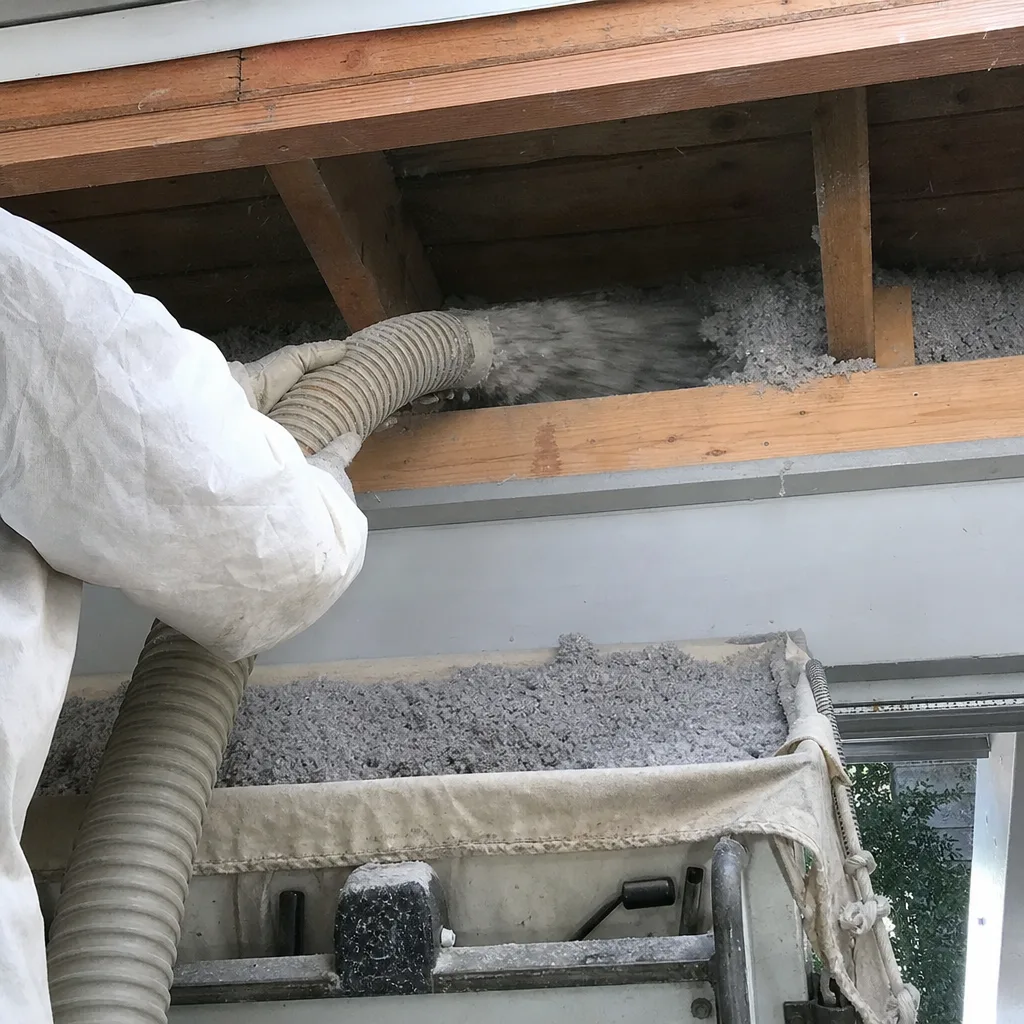
Blown in insulation is what we reach for first on most San Marino retrofits because it’s the only practical way to fill a ceiling cavity or wall bay that hasn’t been open in 80 years. Loose-fill material, either cellulose or fiberglass, gets pneumatically installed through small holes, which means it can go into finished lath-and-plaster walls, flat attic floors, and awkward sloped ceilings without tearing the house apart. In San Marino’s hot, dry climate, the ceiling is the number one source of summer heat gain, and a proper blow-in job cuts that transfer dramatically. Our full service hub is Blown In Insulation.
Cellulose Insulation
Signs you need it
You can see the tops of your ceiling joists in the attic, or upstairs rooms bake in the afternoon while the first floor stays reasonable.
What it costs in San Marino
Blown-in cellulose in San Marino typically runs $1.20 to $2.20 per square foot installed depending on depth and access.
How we do it
We run hoses from the truck up through the attic hatch, blow the cellulose to the specified depth, and hand-level it around baffles and the hatch.
Blown In Attic Insulation
Signs you need it
Your attic has old brown batts flattened to a quarter of their original thickness, or you can feel heat radiating from the ceiling on a hot afternoon.
What it costs in San Marino
A standard blown-in attic job in San Marino’s large homes falls between $1,500 and $3,800 total.
How we do it
We mark final depth, seal visible bypasses and top plates, then blow the insulation to an even, consistent depth across the attic floor.
Blown In Cellulose Insulation
Signs you need it
Rooms feel drafty in winter despite closed windows, or you’ve noticed dust and old insulation debris dropping through can-light openings.
What it costs in San Marino
Expect $1.50 to $2.50 per square foot for dense-packed cellulose in existing wall cavities.
How we do it
We drill small interior access holes at each stud bay, dense-pack the cavity under pressure, and patch the holes to match the plaster.
Loose Fill Insulation
Signs you need it
Your attic has partial or uneven coverage, with bare spots over rooms that never hold temperature.
What it costs in San Marino
Loose-fill coverage in a San Marino attic, including removal of the old stuff, typically costs $1,600 to $4,200.
How we do it
We pull the old material, air-seal, and blow fresh loose-fill to an even R-38 or better across the full attic floor.
What Blown In Insulation Costs in San Marino
| Item | Typical range in San Marino |
|---|---|
| Blown-in attic (materials + install) | $1.50 – $3.50 per sq ft |
| Wall cavity dense-pack (per sq ft) | $1.50 – $2.50 per sq ft |
| Full attic removal, air-seal, re-blow (estate home) | $1,600 – $4,200 total |
How long does blown in insulation take in San Marino?
Most San Marino attics are done in a single day. Wall dense-packing on a larger estate may run two days because of the access hole pattern and plaster patching. Call (866) 858-4033 to get a schedule estimate for your house.
Is blown in insulation safe to use in older homes with knob-and-tube wiring?
No, not until the wiring is addressed. Cellulose settling around live knob-and-tube is a fire hazard, and San Marino attics frequently still have original runs. A licensed electrician must clear the areas first, then we insulate. Call us and we’ll tell you what we look for before starting.
Brands We Service in San Marino
Brea Insulation carries eight material lines, including CertainTeed, GreenFiber, Icynene, and Demilec, so the recommendation matches the house, not the warehouse inventory. We stock common batt sizes and loose-fill products for quick turnaround and order specialty foam kits for San Marino jobs within days. See the full bench at our brands.
Pricing for Insulation Company in San Marino, CA
| Service | Typical range in San Marino |
|---|---|
| Attic insulation (blown-in, standard estate attic) | $1.50 – $3.50 per sq ft |
| Attic insulation (full removal and re-blow) | $1,600 – $4,200 total |
| Wall cavity dense-pack cellulose | $1.50 – $2.50 per sq ft |
| Spray foam insulation (closed-cell, average job) | $4,000 – $9,000 total |
| Spray foam insulation (open-cell, per board foot) | $0.45 – $1.20 per board ft |
| Spray foam insulation (per sq ft of wall/ceiling) | $1.50 – $4.50 per sq ft |
| Blown-in fiberglass (attic, standard depth) | $0.80 – $1.50 per sq ft |
| Blown-in cellulose (attic, standard depth) | $1.20 – $2.20 per sq ft |
What pushes price up in San Marino is what makes the houses architecturally valuable: shallow-pitched attics under clay tile, dense-packed wall work in lath-and-plaster, and interiors where access holes have to be cut and patched carefully. Brea Insulation gives upfront quoted pricing before any work starts, so you’ll know the number before we open the first bag of material.
Neighborhoods We Serve in San Marino
We work all over San Marino, including the estate streets that run south of Huntington Drive and the clusters of Period Revival homes near the Huntington Library. The old-growth canopy and narrow service alleys behind some properties don’t slow us down, though they do make truck placement part of the planning for every job.
- Huntington Library district
- Lacy Park
- Southeast San Marino (near Valentine Elementary)
- Mission District
- San Marino Avenue corridor
Response time across 91108 and 91118 is typically same-week for estimates, and we schedule installs in a single visit whenever the scope allows.
Service Area – Cities Near San Marino
Brea Insulation’s San Marino crew also covers San Gabriel, CA, East San Gabriel, CA, Alhambra, CA, and East Pasadena, CA. Each of these has older housing stock with similar retrofit needs, so we run routes through San Marino throughout the week and often same-week for estimates anywhere in the area.
Serving San Marino, CA — Our Local Coverage Area
We’re based in the San Marino area and know this community well. Use the map below to see our service coverage — if you’re nearby, we can almost certainly help.
FAQs About Insulation Company in San Marino
It depends on the scope. Blowing insulation into an existing attic or adding insulation to an unfinished space doesn’t require a City of San Marino building permit. Anything involving structural changes to walls or rooflines does. If your home is under Mills Act or local landmark review, exterior-facing changes may need design-review sign-off, and we’ll help identify that before work begins.
Same-week estimates are standard for San Marino and the surrounding San Gabriel Valley. Emergency response for a failed insulation job that’s left a home exposed, like a blow-in gone wrong mid-retrofit, can often be scheduled within 24 to 48 hours. Call (866) 858-4033 and we’ll tell you the earliest available slot.
Yes, and it’s one of the reasons we’re comfortable recommending interior-access insulation methods here. Because we install blown-in and spray foam through existing wall and ceiling surfaces rather than tearing off stucco or clay tile, most San Marino retrofit work doesn’t alter anything a design-review board would care about. If your property does have landmark restrictions, we’ll coordinate the method and scope around them.
If your San Marino home is hot upstairs, cold in the evenings, or sitting with the same attic insulation the original owner installed in 1927, call Brea Insulation at (866) 858-4033. We’ll come out, look at what’s actually in your walls and attic, and quote you a number you can hold us to.
What happens when you call
- 1A real person answersNo phone trees — talk to a local insulation pro.
- 2You get an upfront price rangeHonest numbers before anyone is dispatched. No surprises.
- 3A background-checked tech heads outLicensed & insured, typically within 60-minute.
- 4You approve before work beginsNothing starts until you say go.
What San Marino Customers Say
"Handled the utility rebate paperwork, which knocked a real amount off the final cost."
— Diego Garcia"Found and sealed a gap around the chimney chase that was basically an open chimney to the attic."
— Darius Grant"Installed baffles at the soffits so the new insulation didn't block the ventilation, which the previous contractor apparently never considered."
— Marisol Vargas